The Stakes of the 2026 Midterm Elections
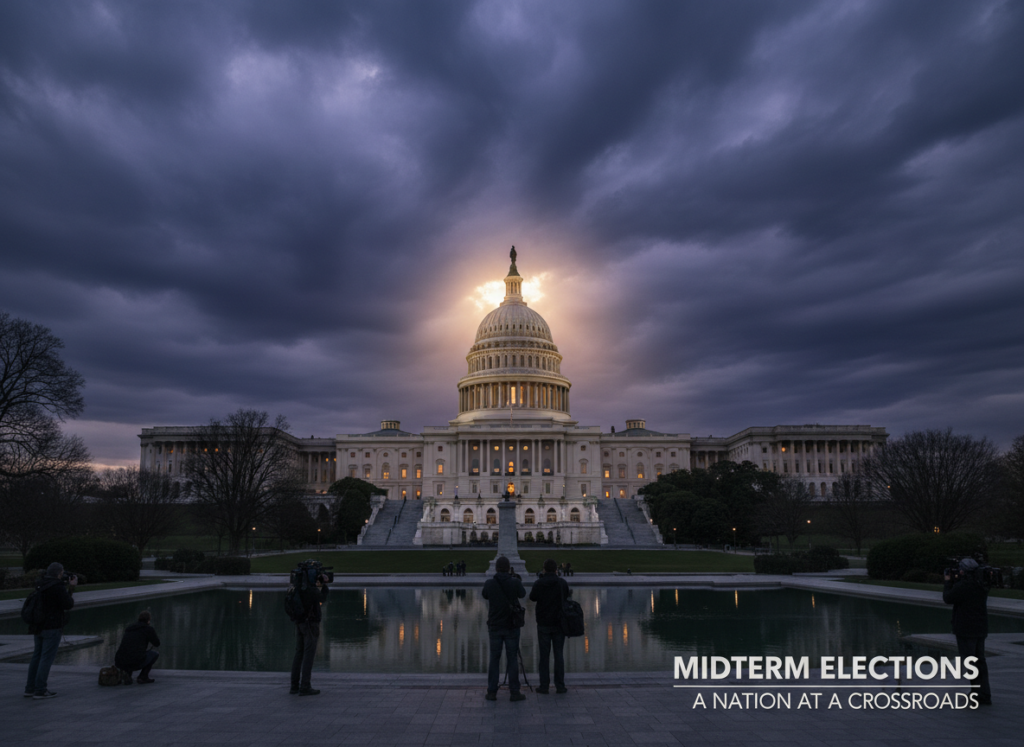
As the calendar turns to February 2026, the political machinery of the United States is already gearing up for a defining moment in the nation’s trajectory: the 2026 midterm elections. With the incumbent administration entering the midpoint of its term, the upcoming November contests are shaping up to be a referendum on the last two years of governance. The political landscape is charged, with control of both the Senate and the House of Representatives potentially hanging in the balance.
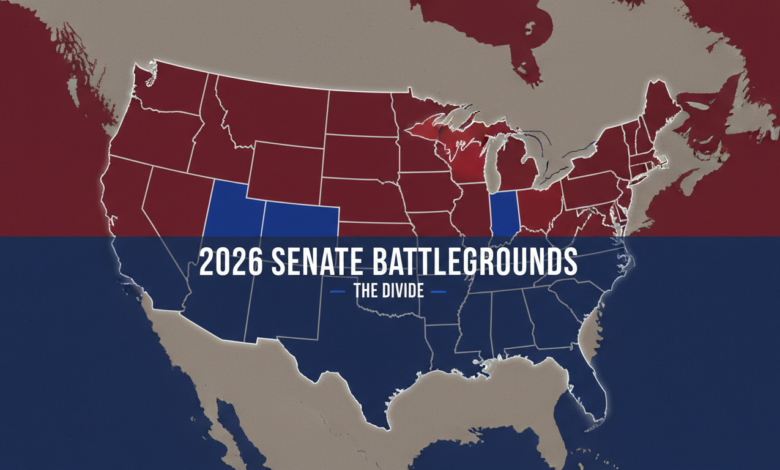
Historically, midterm elections serve as a check on the party in power, a phenomenon political scientists often refer to as the “six-year itch” when it coincides with a president’s second term—or effectively a late-stage referendum for non-consecutive terms. The 2026 midterm elections present a unique map, particularly in the Senate, where the Class II seats are up for grabs. From the battlegrounds of Georgia and Michigan to the spirited defenses in Maine and Texas, voters are poised to reshape the legislative branch.
The Senate Map: Class II Battlegrounds
The 2026 Senate map offers a fascinating mix of defensive and offensive opportunities for both major parties. Thirty-three regular seats are up for election, along with high-profile special elections that have drawn national attention.
Key Democratic Defenses
The Democratic Party faces the challenge of defending incumbents in swing states that have trended purple in recent cycles.
- Georgia: Senator Jon Ossoff faces a grueling re-election campaign. Georgia has cemented itself as a premier battleground, and Republican strategists view this seat as a top pickup opportunity.
- Michigan: With Senator Gary Peters announcing his retirement, the race for this open seat has attracted a crowded field. Michigan remains a critical “Blue Wall” state, and the outcome here could determine the Senate majority.
- New Hampshire: The retirement of veteran Senator Jeanne Shaheen has turned the Granite State into a toss-up. Historically independent-minded, New Hampshire voters will likely be inundated with ad spending from outside groups.
Republican Targets and Defenses
Republicans, while currently holding a structural advantage in the 2026 map, must defend seats in states with shifting demographics.
- Maine: Senator Susan Collins, often the last Republican standing in New England, faces perhaps the toughest challenge of her career. Her ability to court independent voters will be tested against a polarized national backdrop.
- Texas: Senator John Cornyn’s seat is a target for Democrats hoping that demographic shifts in the Lone Star State will finally translate into statewide victory. However, Texas remains a difficult hurdle for opposition candidates.
- North Carolina: With Thom Tillis retiring, this open seat is expected to be one of the most expensive races in the country, mirroring the state’s razor-thin margins in presidential years.
For a detailed breakdown of historical Senate classes and term structures, Wikipedia’s guide to Senate Classes provides essential context for understanding why the 2026 map looks the way it does.
The House of Representatives: Margins and Math
While the Senate draws the limelight with statewide personalities, the fight for the House of Representatives is a trench war fought district by district. Republicans currently hold a narrow majority, but history suggests that the president’s party often loses ground during midterms.

The “Six-Year Itch” Phenomenon
Political history is unkind to second-term administrations. The “six-year itch” describes the tendency for voters to tire of the incumbent party after six years of executive control (or in the case of a non-consecutive second term, the accumulated fatigue of the political brand). If current polling trends hold, Democrats need a net gain of only a handful of seats to flip the chamber.
Key suburban districts in Pennsylvania, California, and New York that narrowly broke for Republicans in 2024 are the primary targets. Economic indicators—specifically inflation rates and housing costs—remain the top issues driving voter sentiment in these swing districts. For ongoing analysis of these toss-up districts, Ballotpedia’s 2026 Election Tracker offers up-to-date lists of incumbent retirements and race ratings.
Gubernatorial Races: The State-Level Shift
Beyond Washington, 36 states will hold gubernatorial elections in 2026. These races are crucial not just for state policy, but for the administration of future elections.
Rust Belt Trifectas
The “Rust Belt” states of Michigan, Pennsylvania, and Wisconsin are again at the forefront. In Michigan and Pennsylvania, outgoing or term-limited governors leave behind open seats that will test the strength of local party infrastructures. Control of these governor’s mansions often dictates the legislative agenda on healthcare, education, and voting rights.
Sun Belt Expansion
Arizona and Georgia continue to evolve politically. The gubernatorial contests in these states will likely feature rematches or proxy wars between the varying wings of both parties. The results here will serve as a bellwether for the demographic realignments transforming the American South and Southwest.
Major Issues Driving the 2026 Vote
Three core pillars are dominating the early discourse of the 2026 election cycle:
1. The Economy and Cost of Living
Despite stabilizing market figures, the cost of living remains a pain point for the average American household. Candidates from both parties are tailoring their messages around housing affordability and wage growth.