You might remember the headlines back in 2019 when the United States floated the idea of buying Greenland. Most people laughed it off as a diplomatic gaffe or a reality TV stunt. But here’s the thing: they missed the point. That wasn’t a joke; it was a strategic warning shot. In my years covering Arctic geopolitics, I’ve seen plenty of posturing, but the current trajectory is different. We are moving toward a genuine Greenland Diplomatic Crisis that makes previous spats look like playground squabbles.
The Arctic isn’t just ice and polar bears anymore; it’s the next great contested frontier. As the ice melts, new shipping lanes open, and accessible rare earth deposits become the envy of superpowers. The tension between the U.S., China, Denmark, and the Greenlandic government is palpable. If you think this is just about a large island in the North Atlantic, think again. This is about control over the future of global trade and technology.
Greenland Diplomatic Crisis: The Geopolitical Chessboard
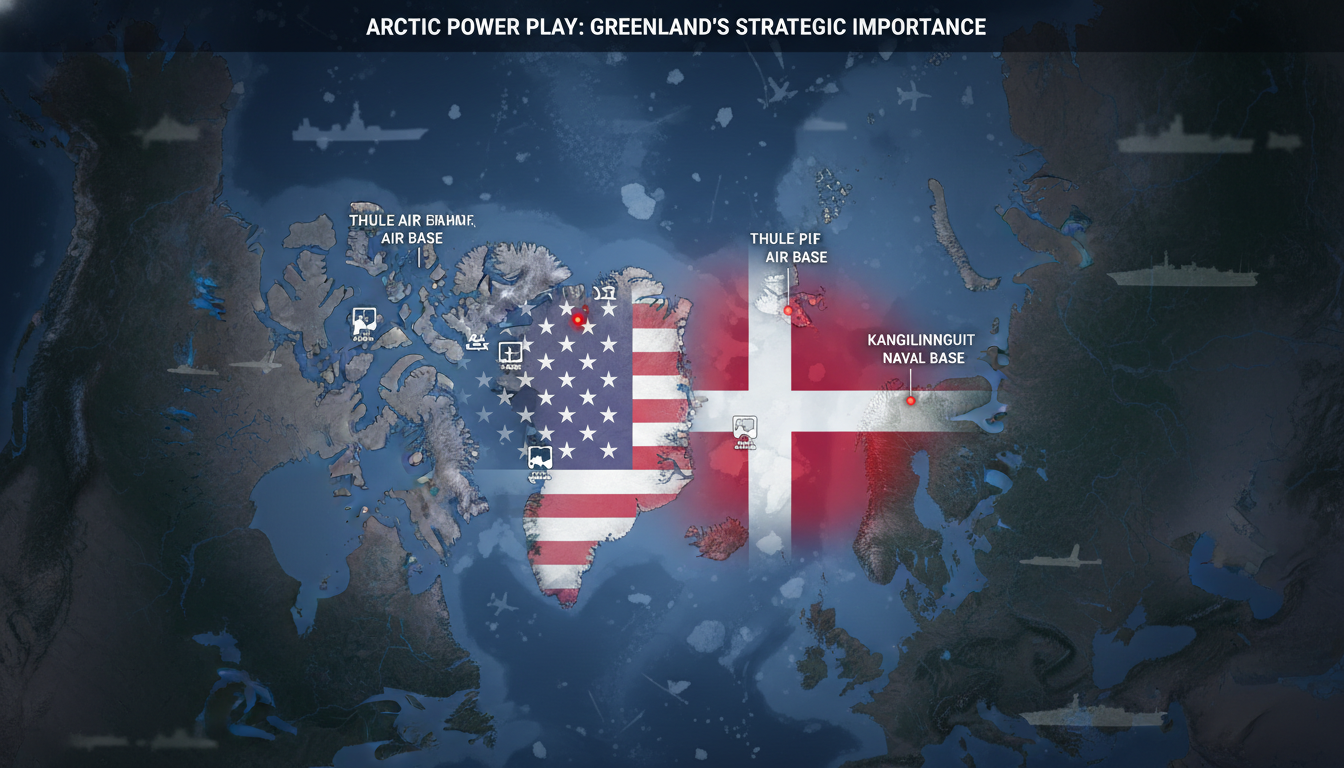
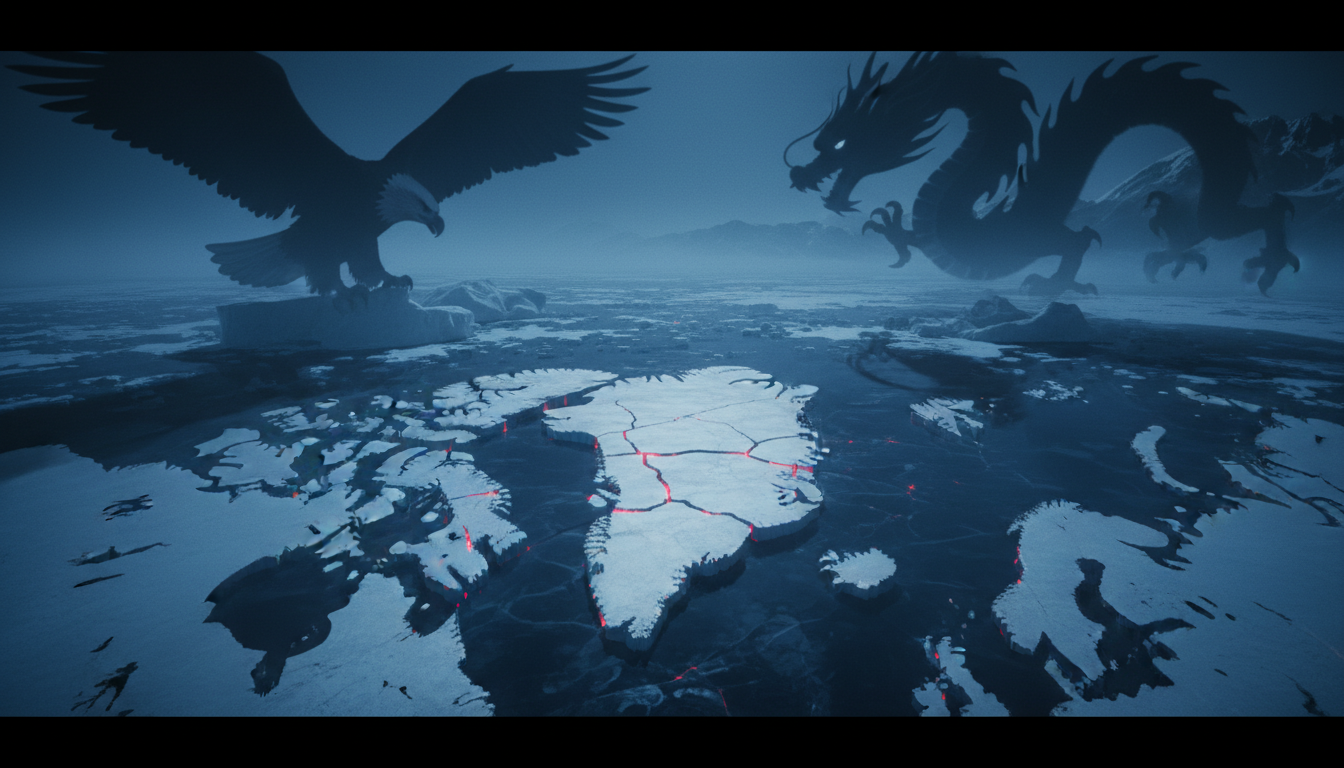
Let’s strip away the diplomatic pleasantries and look at the raw mechanics of this standoff. The Greenland Diplomatic Crisis is fundamentally a triangular struggle with Nuuk sitting in the uncomfortable center. On one side, you have the United States, desperate to secure the North American Arctic flank against Russian militarization and Chinese economic incursion. On the other, you have China, branding itself a “Near-Arctic State” to justify infrastructure investments that look suspiciously dual-use.
And then there is Denmark. Copenhagen retains control over foreign affairs and defense, but Greenland has been autonomous since 2009. This legal gray area is where the friction creates sparks. I’ve spoken with analysts who argue that the real crisis stems from the ambiguity of authority. When a Chinese state-owned enterprise wants to build an airport in Nuuk, is that an infrastructure project (local jurisdiction) or a national security threat (Danish jurisdiction)?
The U.S. intervention to block such deals in recent years wasn’t the end of the story; it was the opening chapter. By 2026, the pressure on Greenland’s local government to choose a side is becoming unbearable.
The Rare Earth Factor
We cannot talk about this crisis without addressing the elephant in the room: Rare Earth Elements (REEs). Southern Greenland holds one of the world’s largest undeveloped deposits of these critical minerals. They are essential for everything from your iPhone to F-35 fighter jets.
Currently, China dominates the global REE supply chain. Breaking this monopoly is a top priority for Washington and Brussels. However, mining in Greenland is a political minefield. The local population is deeply divided. Some see mining as the ticket to full independence from Danish subsidies, while others fear irreversible environmental damage.
This internal division is being exploited by external powers, turning local town hall meetings into proxies for global power struggles.
The Sovereignty Paradox
From a practical standpoint, full independence is the ultimate goal for many Greenlanders. But independence costs money—lots of it. Currently, the block grant from Denmark covers a massive chunk of the island’s budget. To replace that, Greenland needs revenue, likely from the very mining projects that trigger diplomatic alarms in Washington.
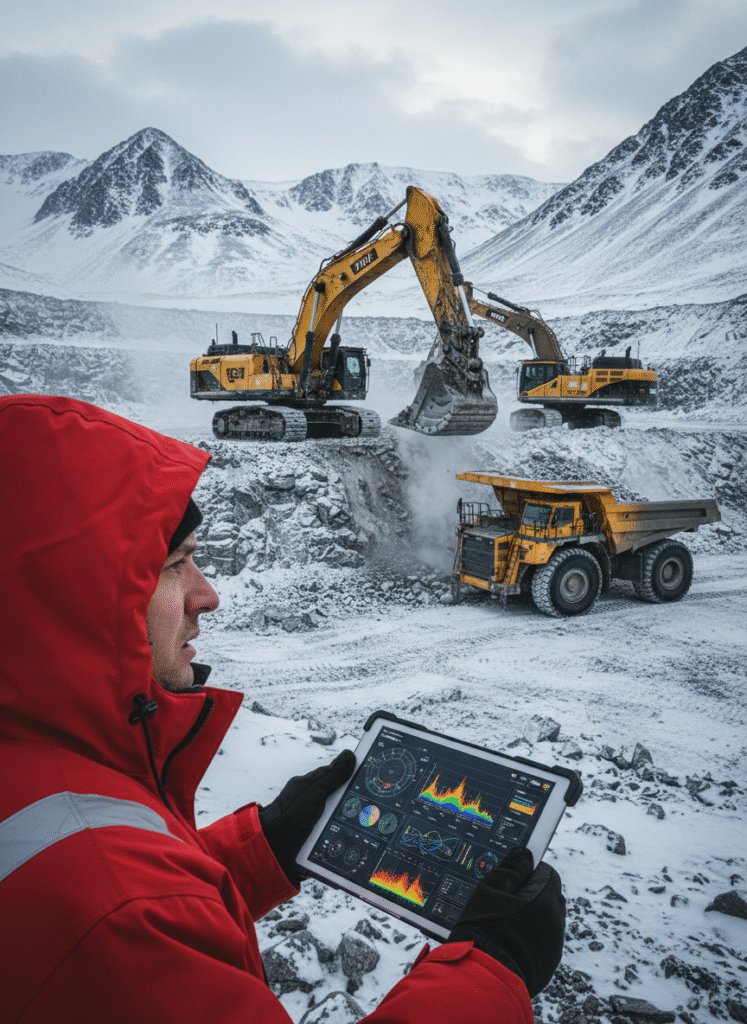
This creates a paradox. To gain independence from Denmark, Greenland might have to become economically dependent on China or security-dependent on the U.S. Neither option truly looks like freedom. This Sovereignty Paradox is the engine driving the diplomatic crisis. As the 2026 elections in Nuuk approach, foreign influence operations are ramping up, trying to sway public opinion toward candidates favorable to either Western or Eastern investment.
The Military Dimension: Thule and Beyond
It’s not just about rocks; it’s about rockets. The Thule Air Base (now Pituffik Space Base) is the U.S. Space Force’s northernmost installation. It provides missile warning and space surveillance that is critical to North American defense. I’ve analyzed defense reports indicating that the U.S. is looking to expand its footprint in the region to counter Russian hypersonic capabilities.
Any move by the Greenlandic government to renegotiate the terms of U.S. presence—perhaps as leverage for trade deals—immediately triggers a diplomatic crisis. The U.S. views the island as part of its essential security umbrella. It simply cannot afford to lose access. This puts Denmark in the impossible position of mediating between its most important security ally (the U.S.) and the democratic will of the constituent country it is supposed to protect.
China’s “Polar Silk Road” Ambitions
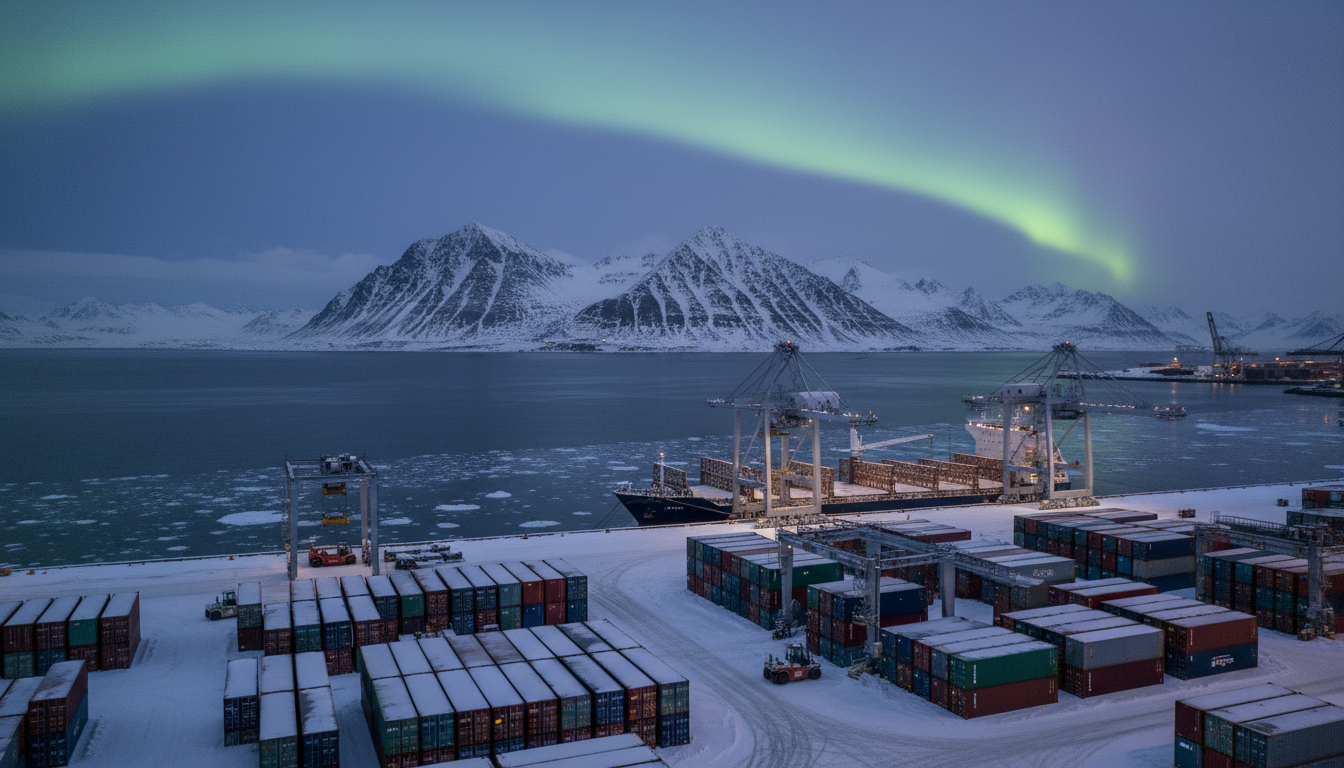
Beijing plays the long game. While the U.S. sends diplomats, China sends engineers and investors. Their “Polar Silk Road” initiative aims to utilize the opening Arctic sea routes to slash shipping times to Europe. Greenland is the natural logistics hub for this route.
When I look at the investment patterns, it’s clear China isn’t looking for quick returns. They are building leverage. If Chinese companies own a significant stake in Greenland’s mining or logistics sector, they gain a seat at the table in Arctic governance. This is exactly what the NATO alliance fears most—a non-Arctic adversary gaining a foothold inside the bastion.
The Environmental Flashpoint
Another layer often ignored is the environmental diplomacy. As climate change accelerates, the eyes of the world are on the Greenland Ice Sheet. Ironically, the very melting that threatens coastal cities worldwide is what makes the island’s resources accessible.
The diplomatic crisis isn’t just about security; it’s about moral authority. Western nations pressure Greenland to halt uranium mining for environmental reasons, yet they demand the rare earths found alongside that uranium for their “green” technologies. It’s a hypocrisy that Greenlandic politicians are quick to point out in international forums.
Where This Leaves Us
So, where is this heading? We are looking at a fragmented Arctic. The days of the Arctic as a “zone of peace” are rapidly fading. The Greenland Diplomatic Crisis of 2026 serves as a microcosm of the new Cold War. It involves hybrid warfare, economic coercion, and the struggle for resource dominance.
For investors and policymakers, the message is clear: ignore the Arctic at your peril. The decisions made in Nuuk over the next 18 months will ripple through the global economy. Whether it results in a new mining boom or a military standoff remains to be seen, but one thing is certain—the ice is melting, and the heat is rising.
Table of Contents