
A significant FBI leadership purge is underway in Washington, sending shockwaves through the Department of Justice and the broader intelligence community. FBI Director Kash Patel has reportedly terminated multiple senior bureau officials identified as key figures in the previous investigations into President Trump’s handling of classified documents. These dismissals, executed early Thursday morning, mark one of the most aggressive internal restructuring efforts in the agency’s history.
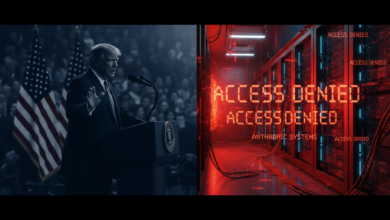
Sources close to the situation indicate that the fired personnel were specifically targeted due to their involvement in what Patel has described as “politically motivated lawfare.” This shakeup comes immediately following revelations that subpoenas were issued targeting Patel himself and White House Chief of Staff Susie Wiles. The timing suggests a direct counter-offensive against what the administration views as a “deep state” resistance within federal law enforcement.
As the dust settles on Pennsylvania Avenue, questions regarding the operational stability of the bureau are mounting. The FBI leadership purge is not just an administrative adjustment; it represents a fundamental shift in the agency’s operational priorities and loyalty structures. Critics argue this dismantling of institutional knowledge risks politicizing the nation’s premier law enforcement agency, while supporters hail it as a necessary accountability measure long overdue.
The Trigger: Subpoenas and Retribution
The catalyst for this sudden FBI leadership purge appears to be a renewed legal skirmish involving high-ranking administration officials. Earlier this week, reports surfaced that federal subpoenas had been served regarding legacy investigations, naming both Patel and Wiles. The administration’s response was swift and decisive.

Patel has long criticized the bureau’s previous leadership for what he terms “weaponization” of government power. By removing officials linked to the Mar-a-Lago document case, the Director is fulfilling a mandate to overhaul the agency’s upper echelons. This move effectively neutralizes the internal factions that have been at odds with the executive branch since the transition.
Legal analysts suggest this purge serves two purposes: halting ongoing internal friction and sending a clear message to the rank and file. However, the aggressive nature of the firings has drawn sharp rebuke from opposition lawmakers who see it as an obstruction of justice disguised as administrative reform. Read more about the legal implications on Reuters.
Impact on International Operations
While the headlines focus on the FBI leadership purge in D.C., the bureau’s global footprint faces uncertainty. The removal of senior career officials often disrupts intelligence sharing and cross-border cooperation. The FBI plays a vital role in combating transnational crime, and a distracted headquarters could hamper ongoing missions.
For instance, the bureau acts as a key partner in managing security threats along the southern border. With resources potentially in flux, coordination on the US-Mexico border update remains a pressing concern for field agents. Similarly, the FBI’s involvement in dismantling organized crime is relentless, necessitating stable leadership to combat Mexico cartel violence.
International partners are watching these developments closely. Intelligence alliances rely on trust and continuity. The sudden vacuum in D.C. could complicate sensitive diplomatic channels, such as those discussed in the recent Canada-India relations update, where intelligence sharing is paramount.

Politicization vs. Reform
The core of the debate surrounding the FBI leadership purge lies in the intent. Is this a necessary cleanup of a biased institution, or a political vendetta? Supporters argue that the FBI lost the public’s trust by engaging in partisan investigations. They view Patel’s actions as a corrective measure to restore the agency’s integrity.
Conversely, civil liberties groups warn that stripping the bureau of its career civil servants erodes the checks and balances essential to democracy. Comparisons are being drawn to radical administrative shifts seen elsewhere, such as the drastic economic and political overhauls in South America. The aggressive restructuring mirrors the bold, often polarizing strategies seen in the Argentina economy under Milei.
This internal turmoil distracts from the agency’s non-political mandates. Agents are currently tasked with supporting investigations into regional instability, such as the crisis necessitating Haiti humanitarian aid. Internal chaos could slow down these critical response times. For deeper analysis on government restructuring, visit Bloomberg.
Operational Distractions and Global Security
A destabilized FBI headquarters has ripple effects. The bureau does not operate in a vacuum. It is deeply integrated into the global fight against narcotics and corruption. As Patel reshapes the leadership team, the field offices must maintain their focus on long-standing priorities, such as the evolving Colombia drug policy and enforcement efforts.
The timing is particularly sensitive given the geopolitical landscape. Instability in the hemisphere, from Venezuela’s amnesty debates to the environmental and social challenges highlighted by Brazil’s floods and landslides, requires a focused U.S. law enforcement apparatus. The FBI often assists in investigating corruption and tracking illicit finance flows linked to these crises.
Diplomatic summits also rely on security assessments provided by the bureau. The recent Caribbean leaders summit underscored the need for regional security cooperation, a mission that demands a cohesive FBI leadership structure rather than one in the midst of a purge.
Key Takeaways
- Leadership Shakeup: Kash Patel has fired multiple senior officials linked to Trump-era investigations.
- Retaliation Concerns: The FBI leadership purge follows subpoenas issued to Patel and Susie Wiles.
- Operational Risk: Fears mount that the shakeup will hinder the FBI’s ability to handle domestic and international threats.
- Political Divide: The move is celebrated by supporters as reform but condemned by critics as politicization.
What This Means for the Future
The coming weeks will define the legacy of this FBI leadership purge. If Patel successfully installs a loyalist cadre without compromising the agency’s investigative capabilities, he may fundamentally reshape the FBI for decades. However, if the firings lead to a brain drain and operational failures, the backlash will be severe.
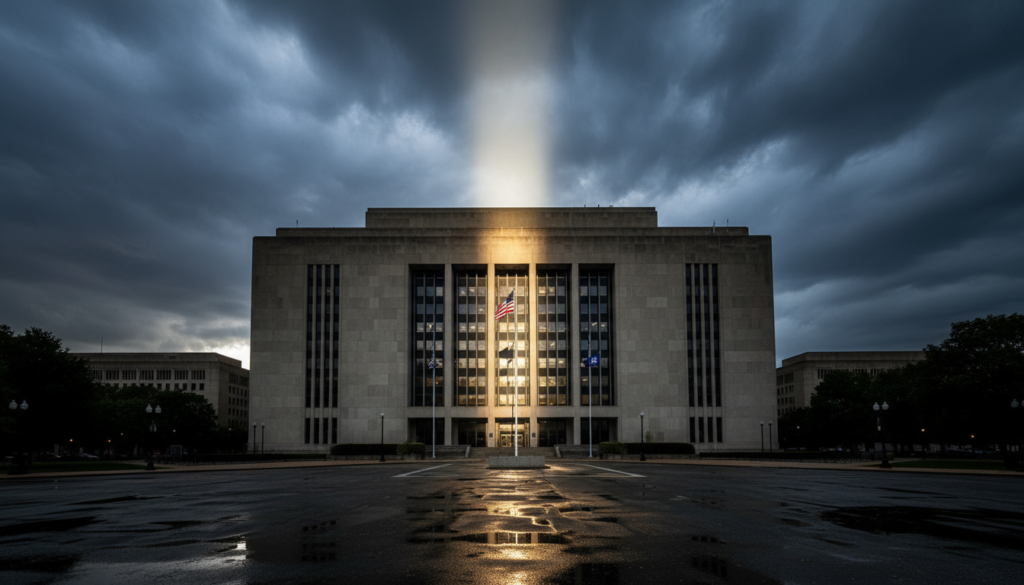
The Justice Department is currently under intense scrutiny. The balance between executive control and independent law enforcement is being tested. As the story develops, the focus will remain on whether these personnel changes improve the bureau’s efficiency or merely turn it into a political arm of the White House. For official press releases and updates, check the Department of Justice website.