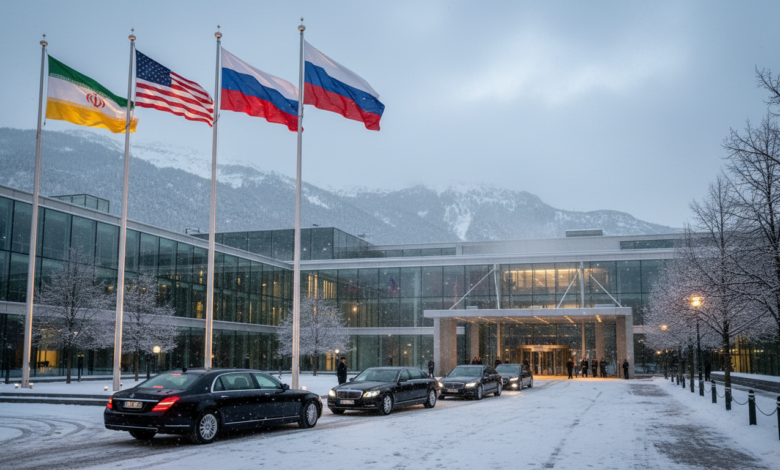
The Geneva Peace Summits have officially commenced, marking a pivotal moment in modern diplomacy as US envoys attempt to broker simultaneous resolutions for two of the world’s most volatile conflicts. On Tuesday, February 17, 2026, delegations from Washington, Kyiv, Moscow, and Tehran converged on the Swiss city, driven by the Trump administration’s aggressive push to settle the Ukraine war and curb Iran’s nuclear ambitions before the summer.
Leading the American delegation are Special Envoy Steve Witkoff and senior advisor Jared Kushner, who have taken center stage following the abrupt reshuffling of the State Department’s team earlier this year. The atmosphere in Geneva is tense. Security cordons have paralyzed the city center, and the stakes could not be higher. With the Geneva Peace Summits serving as the backdrop, the world watches to see if President Trump’s “peace through strength” doctrine can deliver concrete results or if these dual-track negotiations will collapse under the weight of entrenched hostilities.
The Ukraine Front: DMZs and Practical Issues
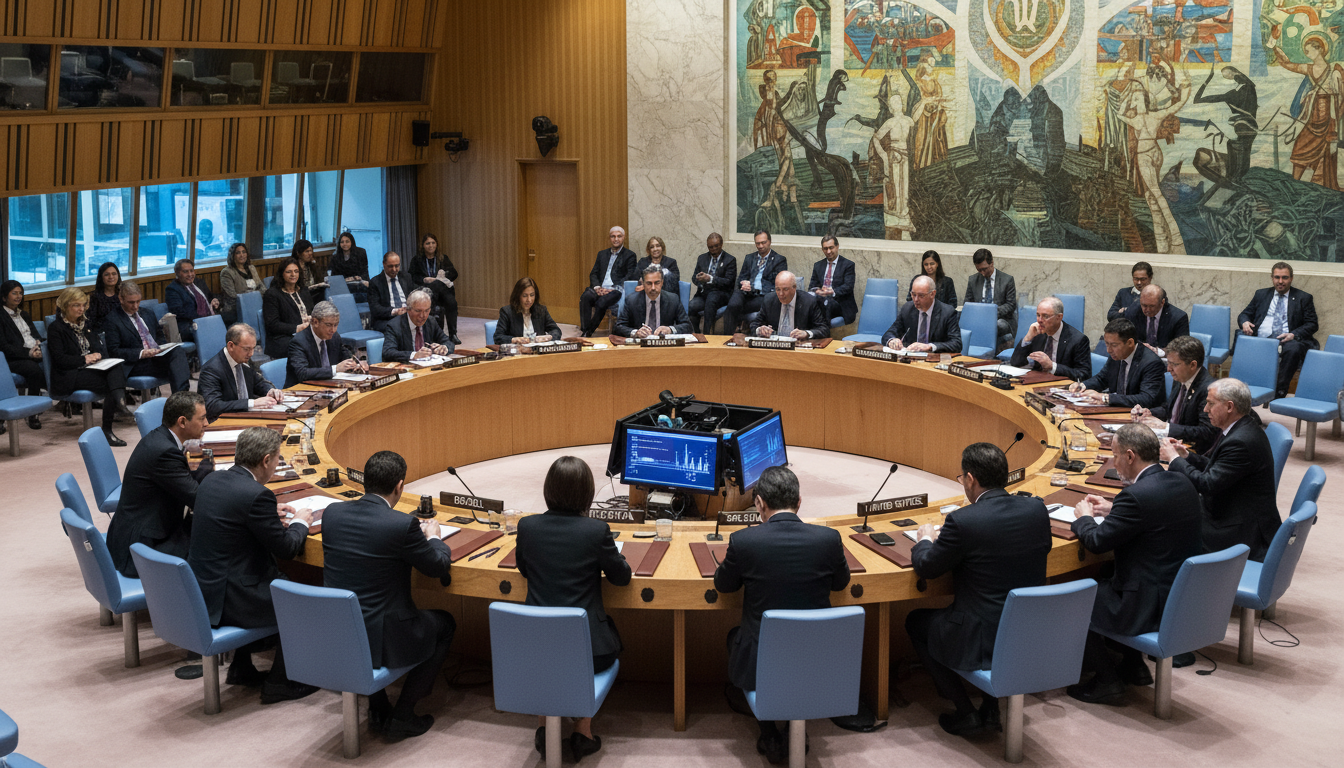
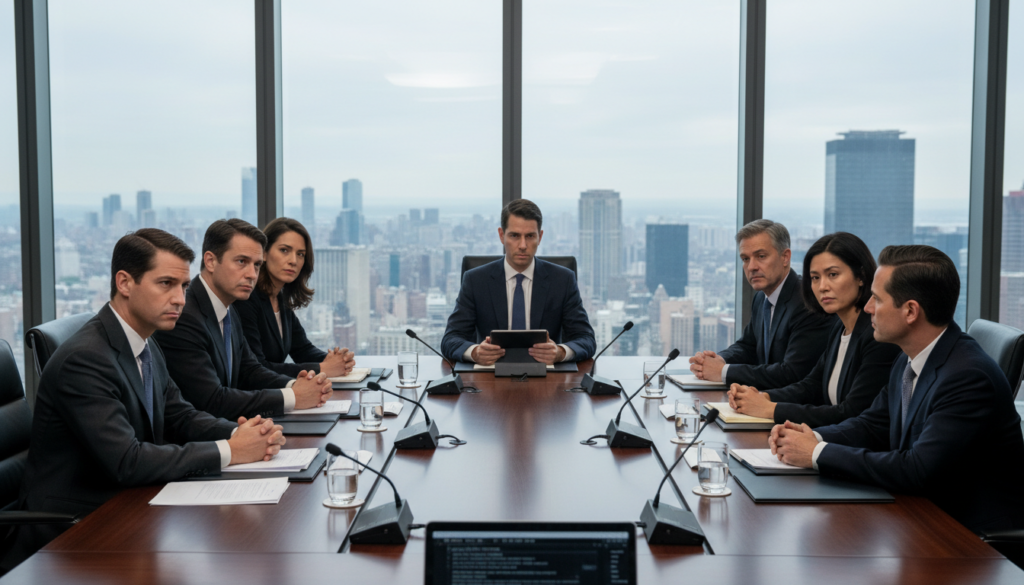
Negotiations regarding the war in Ukraine have entered their third round, following inconclusive meetings in Abu Dhabi. The focus has shifted from broad political settlements to “practical issues” on the ground. Ukrainian delegation lead Rustem Umerov sat opposite Putin’s adviser Vladimir Medinsky at a horseshoe-shaped table, with Witkoff and Kushner presiding.
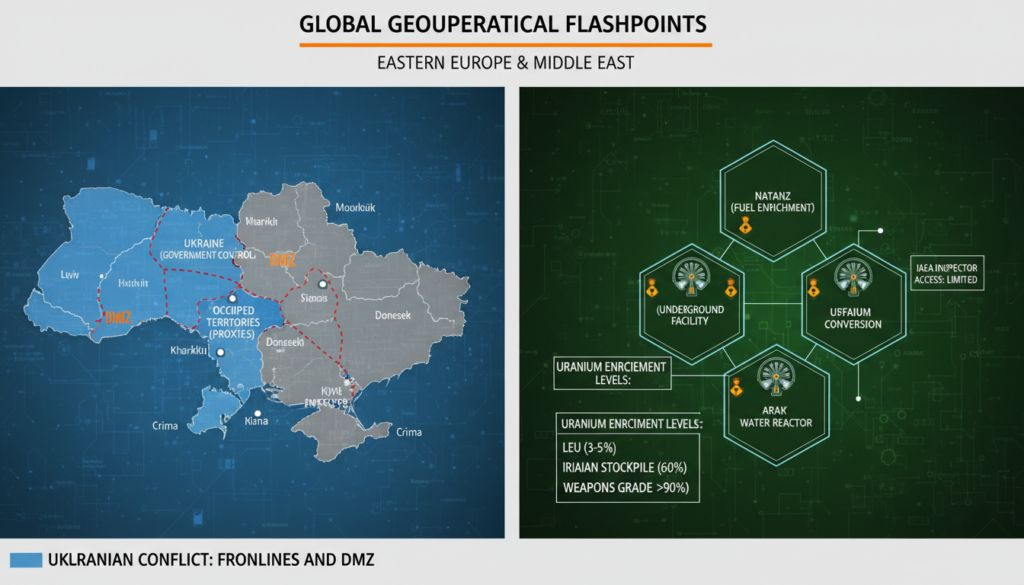
The primary agenda involves defining a Demilitarized Zone (DMZ) and establishing monitoring mechanisms for a potential ceasefire. Reports from European diplomatic sources suggest that while Kyiv is open to a freeze in hostilities, the sticking points remain the status of the Donbas region and the Russian-occupied Zaporizhzhia Nuclear Power Plant. Moscow continues to demand recognition of current territorial realities, a condition Kyiv rejects as a capitulation.
US officials are leveraging economic incentives to break the deadlock. Washington has proposed a specialized economic zone for the contested regions, funded partly by US investment and international loans. However, the success of this track depends heavily on whether the Kremlin views the current military stalemate as a reason to pause or an opportunity to press further.
Iran Negotiations: Picking Up the Pieces
The second track of the Geneva Peace Summits addresses the volatile situation in the Middle East. Following the “12 Day War” in June 2025 and subsequent Israeli strikes on Iranian infrastructure, Tehran has returned to the table with a diminished but dangerous hand. The regime still possesses significant stockpiles of 60% enriched uranium, a point of major concern for Middle East security.
Unlike the multilateral formats of the past, these talks are characterized by direct, high-pressure engagement from the US side, with Kushner holding separate closed-door meetings with Iranian Foreign Minister Abbas Araghchi. The Trump administration is reportedly offering a binary choice: a roadmap to sanctions relief in exchange for verifiable dismantling of key nuclear sites, or a return to a “super-maximum pressure” campaign that would choke Iran’s remaining oil exports.
Observers note that China is playing a quiet but significant role behind the scenes, eager to secure energy supply lines that have been disrupted by the regional instability. Beijing’s influence over Tehran could be the deciding factor in whether a temporary nuclear freeze is achievable.
The Trump Doctrine: Ultimatum Diplomacy
The Geneva Peace Summits underscore a significant shift in American foreign policy strategy. The dismissal of former envoy Brian Hook in January 2025 signaled an end to traditional diplomatic maneuvering. In his place, Witkoff and Kushner have employed a transactional approach, treating geopolitical crises as distressed assets requiring immediate restructuring.
This “ultimatum diplomacy” relies on speed and leverage. For Ukraine, the leverage is the potential withholding of future military aid if Kyiv refuses to negotiate, paired with the threat of unleashing new weapon systems against Russia if Moscow stalls. For Iran, the threat is existential economic isolation. Critics in US politics argue this high-risk strategy could backfire, potentially fracturing the NATO alliance or pushing Tehran closer to a nuclear breakout.
Supporters, however, point to the simple fact that parties are talking. The sheer existence of the Geneva Peace Summits suggests that the combatants are exhausted and looking for an off-ramp, even if the terms are imperfect.
Global Economic Impact
Markets have reacted sharply to the news emerging from Switzerland. Global business leaders are closely monitoring the talks, particularly regarding energy prices. A successful deal with Iran could flood the market with oil, stabilizing prices that have fluctuated wildly since the 2025 conflict. Conversely, a breakdown in Geneva could send crude prices soaring past $100 a barrel again.
European markets are equally jittery. The prospect of a stabilized Ukraine offers hope for reconstruction contracts and reduced defense spending, but the fear of a “bad peace” that empowers Russia keeps investors cautious. The UK government has expressed reserved support for the talks, emphasizing that any deal must ensure the long-term security of the continent.
What This Means for Global Stability
The outcome of the Geneva Peace Summits will likely define the geopolitical landscape of 2026. A dual victory for the US delegation would validate the administration’s unconventional methods and potentially calm two of the world’s hottest borders.
However, the risks are immense. A collapse in talks could accelerate the technological arms race in the Middle East and lead to a renewed, bloodier offensive in Eastern Europe. The world is watching Geneva not just for diplomatic theater, but for signs of whether the international order can be stitched back together.
For those looking to understand the broader context, the summits are a microcosm of a changing world order. The era of endless negotiation is being replaced by a drive for definitive, albeit painful, resolutions. Whether Geneva becomes a symbol of peace or a monument to failed ambition remains to be seen in the coming days.
Travelers and diplomats alike have turned their eyes to this Swiss city, making it the most important destination on the global map this week. As the summits progress, the hope is that the “Spirit of Geneva” can once again facilitate a path away from the brink.