
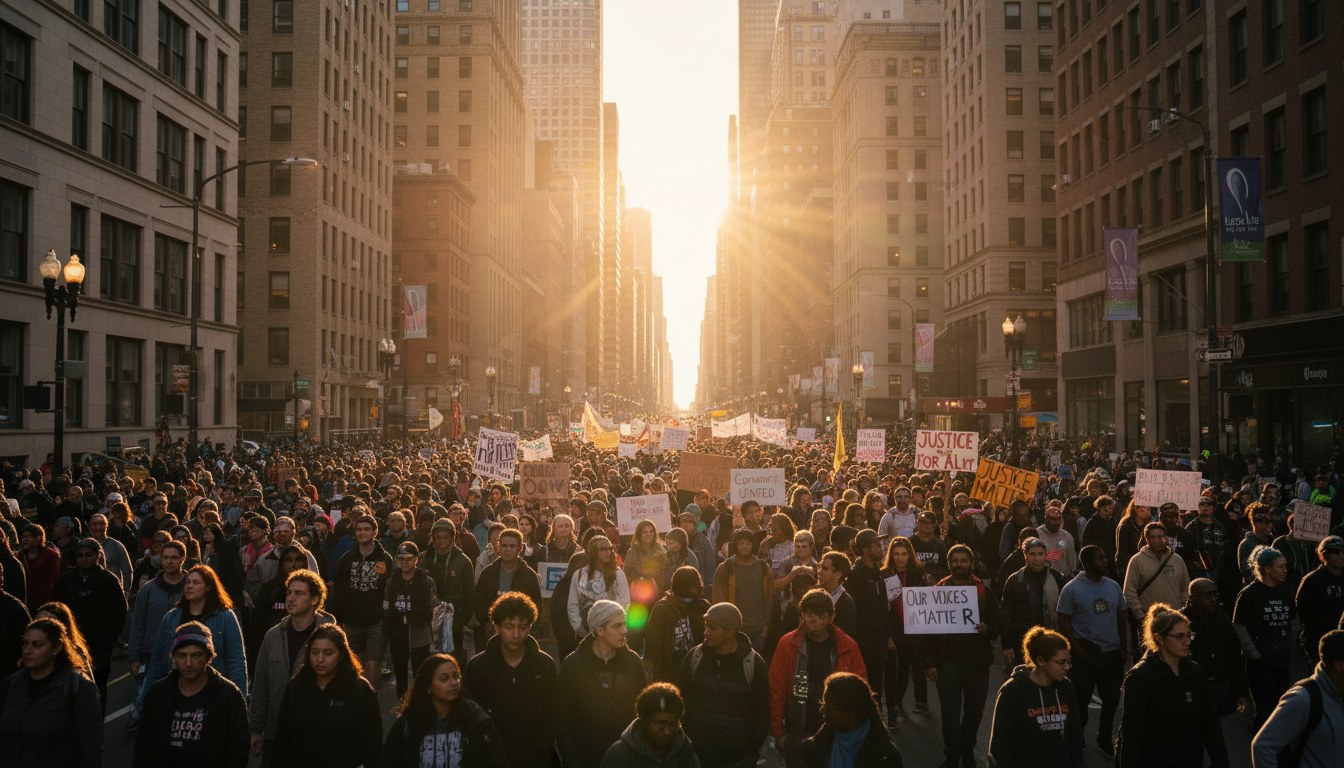
The fight for human dignity and the preservation of families within the United States has reached a pivotal boiling point. As we navigate the complex political landscape of 2026, the call to action has never been louder or more necessary. At the heart of this struggle is the #ICEOutForGood movement, a rallying cry that has transformed from a hashtag into a sophisticated, nationwide campaign for immigration justice. Communities from coast to coast are realizing that passive hope is no longer a strategy; organized, relentless action is the only path forward. This is not just about policy; it is about the soul of our neighborhoods and the safety of our neighbors.
For years, the specter of deportation and detention has loomed over immigrant communities, creating an atmosphere of fear that stifles growth and severs family bonds. The #ICEOutForGood campaign seeks to dismantle the machinery of mass deportation and reimagine a system built on compassion rather than criminalization. In this ultimate guide, we will explore the critical strategies necessary to achieve victory, empowering you to become a catalyst for change in your local area. Whether you are a seasoned organizer or a first-time activist, understanding the nuances of this movement is essential for the battles ahead.
The Evolution of Immigrant Defense
To understand where we are going, we must understand where we have been. The apparatus of immigration enforcement in the US has expanded aggressively over the last two decades. However, the resistance has evolved with equal fervor. What started as isolated protests outside detention centers has coalesced into a unified front. The #ICEOutForGood framework is built on the understanding that local law enforcement collusion with federal immigration agents creates a dangerous pipeline to deportation.
By 2026, the data has become undeniable: communities are safer when residents trust that calling for help won’t result in family separation. This movement advocates for the complete decoupling of local resources from federal immigration enforcement. It pushes for the closure of detention centers that have long been criticized for inhumane conditions. [Internal Link: History of Immigration Rights in the US]
#ICEOutForGood: A Roadmap to Ending Detention
The core of our strategy relies on specific, actionable steps that can be taken at the municipal, state, and federal levels. The #ICEOutForGood roadmap focuses on choking off the resources that fuel mass detention while simultaneously building community protection networks. This section outlines the primary pillars of the movement.
1. Ending Intergovernmental Service Agreements (IGSAs)
One of the most effective tactics has been pressuring local county sheriffs and boards to cancel IGSAs. These are contracts where local jails rent bed space to ICE for profit. By ending these contracts, communities not only stop profiting from human misery but also force the agency to transport individuals further away, increasing the logistical cost of detention and often leading to releases. Activists across the country have successfully shut down dozens of these contracts, proving that local pressure works.
2. The Power of “Sanctuary” Policies
While the term “sanctuary” has been politicized, the policy mechanics are sound. It simply means that local tax dollars will not be used to do the federal government’s job. This includes refusing to honor detainer requests without a judicial warrant. The #ICEOutForGood platform emphasizes that safety is paramount, and safety requires trust between the community and local government.
3. Defunding the Deportation Machine
Budget advocacy is a critical tool. Activists are now targeting the appropriations process, demanding that funds be diverted from enforcement and detention toward legal counsel for immigrants and community support services. A lawyer is often the only difference between deportation and remaining with one’s family. For deep insights on how funding impacts civil liberties, you can refer to the American Civil Liberties Union (ACLU), which provides extensive resources on the legal battles surrounding government funding.
Community Defense Zones and Rapid Response
Beyond policy, there is the immediate need for protection. Creating “Community Defense Zones” is a tangible way to implement the #ICEOutForGood ethos. These are networks of neighbors trained to respond to ICE raids. They document enforcement actions, provide legal support referrals, and offer accompaniment to court hearings.

In 2026, technology plays a massive role here. Encrypted apps and community hotlines allow for real-time alerts. However, the human element remains irreplaceable. Knowing your neighbors and having a plan in place before a raid happens is the ultimate form of community insurance. We must ensure that every family has a “Know Your Rights” plan prepared.
The Role of Digital Activism in 2026
The digital landscape is the new frontline. The hashtag #ICEOutForGood is more than a label; it is an aggregation tool for stories, evidence, and mobilization. In an era where mainstream media cycles move rapidly, social media allows activists to control the narrative. Viral videos of unjust detentions have successfully pressured officials to grant stays of deportation.
Digital petitions serve as the first step on the ladder of engagement. They capture data, build mailing lists, and demonstrate public sentiment to elected officials. However, digital activism must translate into physical presence. A thousand tweets are powerful, but a thousand bodies in a town hall meeting are undeniable. [Internal Link: How to Organize a Community Rally]
Legal Frameworks and Human Rights
The legal battles surrounding immigration are complex. The movement relies heavily on litigation to challenge the constitutionality of prolonged detention and the conditions within facilities. Organizations like the Detention Watch Network have been instrumental in exposing the abuses within the system and advocating for the abolition of immigration detention. Their reports provide the empirical evidence needed to sway public opinion and court rulings.
The #ICEOutForGood initiative also focuses on the right to due process. The immigration court system is often stacked against the respondent, lacking the procedural safeguards found in criminal court. Fighting for guaranteed legal representation for all facing deportation is a cornerstone of the movement’s long-term goals.
The Economic Argument
While the moral argument is primary, the economic argument is also compelling. The cost of detention is astronomical, often costing taxpayers hundreds of dollars per person per day. Furthermore, immigrants are vital contributors to the economy. Removing them from the workforce disrupts industries and local economies. The #ICEOutForGood campaign highlights how community-based alternatives to detention are not only more humane but significantly more cost-effective.
The Time for Action is Now
As we look toward the remainder of 2026, the path is clear. The #ICEOutForGood movement is not fading; it is maturing. It requires resilience, strategy, and an unwavering commitment to justice. We have the tools, the knowledge, and the community power to effect change. But it requires you to step up.
Don’t let this moment pass. Sign the petitions, attend the town halls, donate to bail funds, and educate your neighbors. The ultimate victory is a society where no family is torn apart by an unjust system. Stand with us, fight with us, and let’s make history together.