
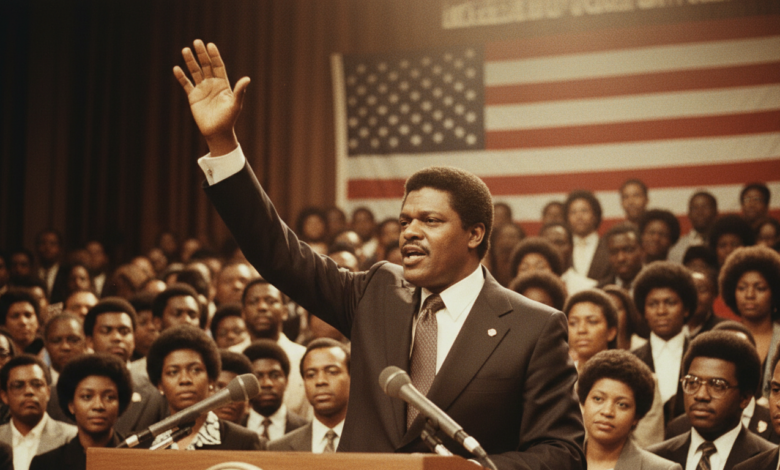
Reverend Jesse Jackson, a towering figure in the American Civil Rights Movement and a two-time Democratic presidential candidate, has died. He was 84 years old. The US media landscape is currently filled with tributes to a man who spent over six decades fighting for racial equality, economic justice, and international diplomacy. His family confirmed he passed away peacefully early Tuesday morning at Northwestern Memorial Hospital in Chicago, surrounded by his children and grandchildren.
Jackson’s death marks the end of an era for the generation of activists who marched alongside Dr. Martin Luther King Jr. Known for his booming oratory and the rallying cry “I Am Somebody,” Jackson transformed the political landscape for Black Americans. His Rainbow PUSH Coalition became a formidable force in politics and corporate accountability. While his health had declined in recent years due to Progressive Supranuclear Palsy (PSP), his influence remained palpable until the very end.
A Life Forged in the Movement
Born in Greenville, South Carolina, in 1941, Jesse Louis Jackson overcame the indignities of the Jim Crow South to become one of the most recognizable faces in the world. His activism began in his college years and quickly led him to the Southern Christian Leadership Conference (SCLC), where he became a protégé of Dr. King. He was present in Memphis on the balcony of the Lorraine Motel when King was assassinated in 1968, a moment that would define his path forward.
Following King’s death, Jackson did not retreat. Instead, he founded Operation PUSH (People United to Save Humanity) in Chicago. This organization focused on economic empowerment, pressuring major corporations to hire Black workers and support Black-owned businesses. His ability to blend spiritual leadership with hard-nosed negotiating made him a unique figure in the fight for equality.
The Presidential Campaigns that Changed History
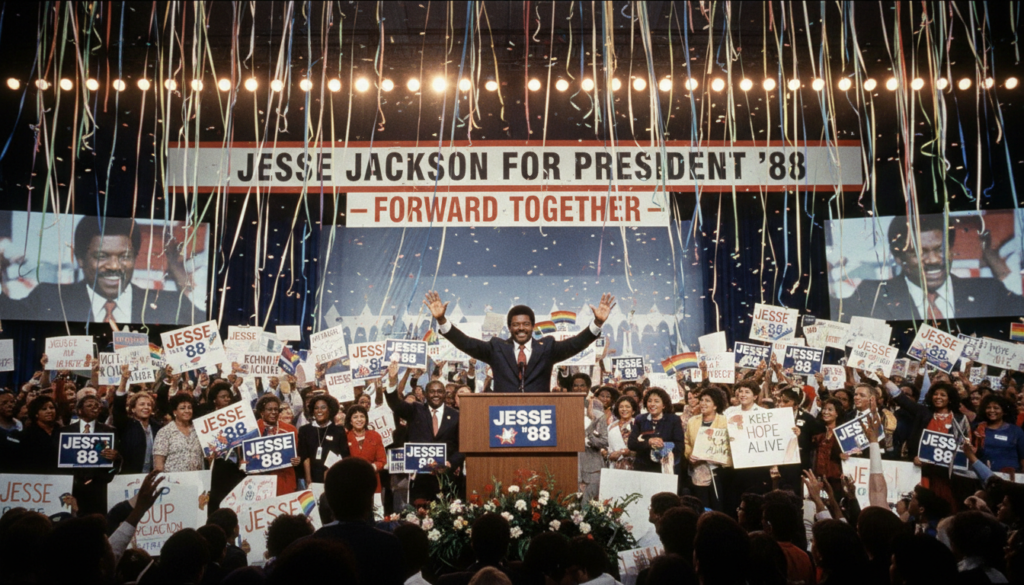
In 1984 and 1988, Jackson ran for the Democratic presidential nomination. Critics initially dismissed his candidacy, but he shocked the establishment by winning millions of votes and several state primaries. His 1988 campaign was particularly historic, as he amassed 7 million votes and brought the concept of a “Rainbow Coalition”—a multi-racial alliance of the working class—to the national stage.
These campaigns are widely credited with paving the way for future leaders, including Barack Obama. Jackson proved that a Black candidate could build a broad base of support across the nation. His efforts led to a massive increase in voter registration among African Americans, altering the electoral map for decades to come.
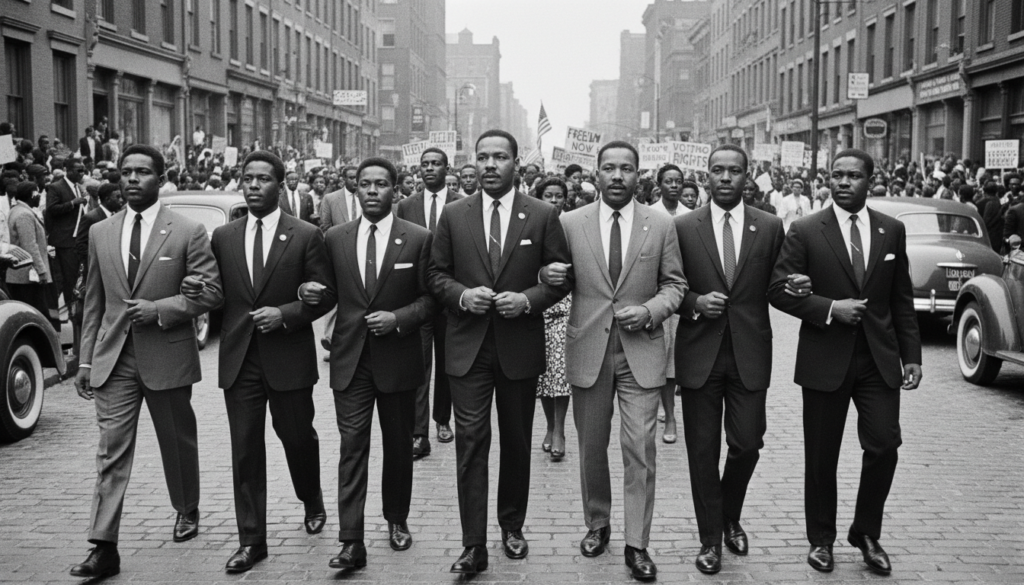
Rainbow PUSH and Economic Justice
Jackson’s work extended far beyond the ballot box. Through the Rainbow PUSH Coalition, he championed “silver rights”—the idea that civil rights must be accompanied by economic opportunity. He targeted Wall Street and Silicon Valley, demanding diversity in boardrooms and access to capital for minority entrepreneurs. This focus on business equity forced many Fortune 500 companies to reevaluate their hiring practices and investment strategies.
His advocacy was not limited to economics. Jackson was a vocal supporter of universal healthcare, long before it became a mainstream Democratic platform. His later years were marked by a public battle with health issues, specifically Parkinson’s disease and later PSP. Despite his physical limitations, he continued to show up at rallies and protests in a wheelchair, embodying the resilience he preached to others.
Global Diplomacy and Humanitarian Efforts
Jackson often operated as a shadow diplomat, traveling to conflict zones where official US channels had failed. He famously secured the release of an American pilot from Syria in 1984 and negotiated freedom for hostages in Iraq and Cuba. These bold moves drew criticism from some government officials but earned him gratitude from the families of those he helped save.
His international work also touched on environmental racism. He frequently visited communities in the Americas and Africa affected by toxic waste and industrial pollution. Jackson understood early on that climate justice was inextricably linked to racial justice, advocating for clean water and air in marginalized neighborhoods.
Cultural Impact and Media Presence
Beyond policy, Jackson was a cultural icon. He hosted “Both Sides with Jesse Jackson” on CNN for years, bringing complex issues to a global audience. His influence permeated entertainment, where he often mediated disputes and advocated for greater representation in Hollywood. He famously criticized the lack of diversity at the Academy Awards long before the #OscarsSoWhite movement gained traction.
Athletes also looked to him for guidance. From Muhammad Ali to Colin Kaepernick, Jackson supported sports figures who used their platform for social change. He understood the power of sport as a vehicle for civil rights, frequently appearing at games and events to support players protesting injustice.
Tributes Pour In
President Biden issued a statement calling Jackson “a man of God and a man of the people who never stopped marching.” Former President Obama noted that his own path to the White House “was paved by the tireless steps of Reverend Jackson.” Civil rights organizations like the NAACP and the National Urban League have lowered their flags to half-staff.
What This Means for the Future
The loss of Jesse Jackson leaves a void in American activism. While new generations of leaders have emerged, few possess his combination of charisma, institutional knowledge, and cross-cultural appeal. The Rainbow PUSH Coalition faces the challenge of carrying his mission forward in a rapidly changing political environment. However, the blueprint he left behind—focused on voter registration, economic equity, and nonviolent protest—remains as relevant as ever.
Key Takeaways
- Historic Figure: Jesse Jackson has died at 84, leaving a legacy as a top civil rights leader.
- Political Pioneer: His 1984 and 1988 presidential runs paved the way for Black political power in the US.
- Economic Activist: Founded Rainbow PUSH to fight for economic inclusion and corporate diversity.
- Global Diplomat: Successfully negotiated the release of international hostages multiple times.
- Enduring Legacy: His “I Am Somebody” mantra continues to inspire marginalized communities worldwide.
Jackson’s life was a testament to the power of hope and action. As the nation mourns, his words from the 1988 Democratic National Convention echo loudly: “Keep hope alive.” Today, that message serves as both a comfort and a command to those continuing the work he began.
For more on his impact on civil rights history, visit the National Park Service archives or read in-depth coverage from Reuters.