Kevin Warsh Fed Nomination: A New Era for the Central Bank?
On January 30, 2026, President Donald Trump officially announced his nomination of Kevin Warsh to succeed Jerome Powell as the Chair of the Federal Reserve. The announcement, which ended months of intense speculation, signals a potential paradigm shift in U.S. monetary policy. Warsh, a former Federal Reserve Governor and distinguished fellow at the Hoover Institution, is poised to take the helm at a critical juncture for the global economy.
This decision marks one of the most significant economic appointments of the administration, carrying profound implications for interest rates, inflation management, and the traditional independence of the central bank. As markets react to the news, business leaders and investors are scrambling to decipher what a Warsh-led Fed means for the future of capital markets.
The Path to Nomination: Why Kevin Warsh?
Kevin Warsh is no stranger to the inner workings of the Federal Reserve. Serving as the youngest governor in the Fed’s history from 2006 to 2011, he played a pivotal role during the Global Financial Crisis, serving as a key liaison to Wall Street during the tumultuous banking collapse. His resume, which includes tenure at Morgan Stanley and the Hoover Institution, blends academic rigor with practical market experience.
President Trump described Warsh as “central casting” for the role, praising his intelligence and deep understanding of the financial system. Unlike his predecessor Jerome Powell, who has faced public criticism from the administration for keeping interest rates elevated, Warsh has recently signaled a willingness to re-evaluate the Fed’s operating framework.
For a detailed history of Federal Reserve leadership, you can refer to the Federal Reserve History archives, which document the tenure of past chairs.
Economic Philosophy: Hawk, Dove, or Pragmatist?
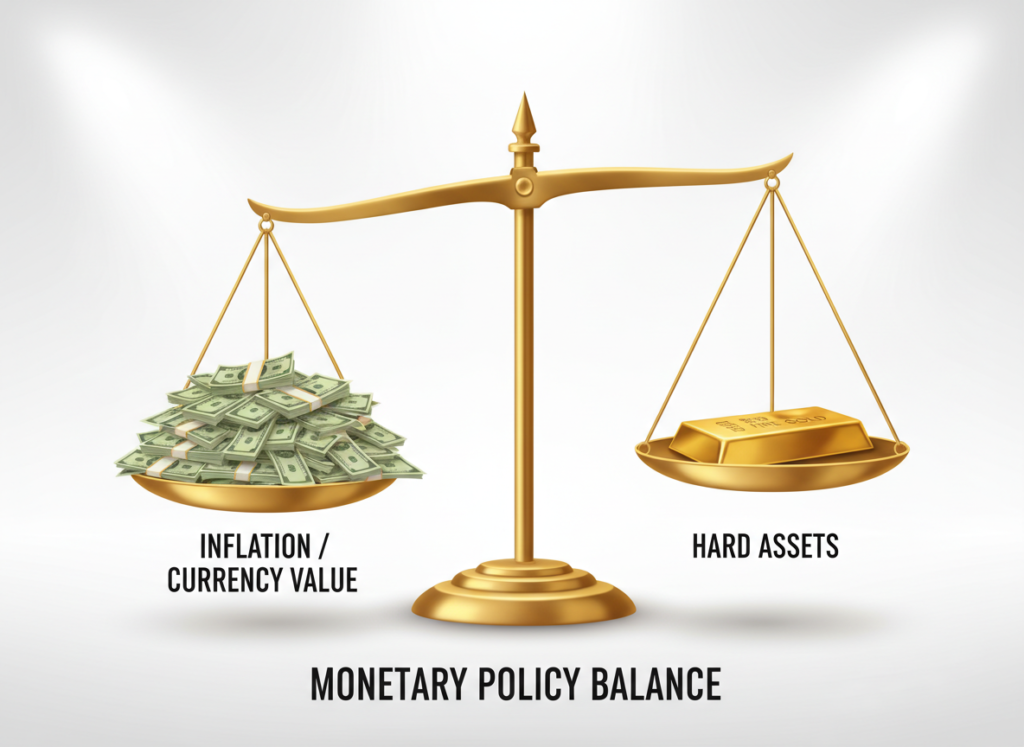
Analyzing Warsh’s economic philosophy reveals a complex figure. Historically, he has been viewed as a monetary hawk. During his previous time at the Fed, he frequently expressed concern over the long-term risks of Quantitative Easing (QE) and “easy money” policies, warning that they could distort asset prices and fuel future inflation.
However, his recent commentary suggests a shift—or perhaps a pragmatic alignment with the current economic reality. In the lead-up to his nomination, Warsh criticized the Fed’s heavy reliance on backward-looking data and called for a “regime change” in policy conduct. He has argued that the central bank’s balance sheet is bloated and that regulatory burdens are stifling productivity.
Key Policy Stances to Watch:
- Deregulation: Warsh advocates for a lighter regulatory touch, believing that capital requirements for banks should not impede lending to the productive economy.
- Inflation Targeting: While he detests runaway inflation, he has questioned the dogmatic adherence to the 2% target if it comes at the cost of broader economic dynamism.
- Fed Independence: This remains the biggest question mark. Critics worry Warsh may be more susceptible to executive pressure for lower rates, though his supporters argue his strong personality will safeguard the institution’s autonomy.
Market Reaction and Global Implications
The immediate market reaction to the Kevin Warsh Fed nomination was volatile. Precious metals initially saw a sharp sell-off, with gold dropping significantly before recovering, as traders priced in the possibility of a stronger dollar and potentially higher real yields. Equity markets have been cautiously optimistic, banking on his pro-business deregulation stance.

Global central banks are also watching closely. A shift in U.S. monetary policy often forces other nations to adjust their own rates to protect their currencies. If Warsh pursues a policy of aggressive rate cuts to stimulate growth, as some in the administration hope, it could reignite currency wars or force the European Central Bank (ECB) and Bank of Japan to recalibrate their strategies.
Investors tracking these macro shifts should consult real-time data from sources like Bloomberg Markets for up-to-the-minute asset price movements.
The Road to Confirmation
Despite the President’s strong endorsement, Warsh’s path to the Eccles Building is not guaranteed to be smooth. The confirmation process in the Senate will likely focus heavily on his views regarding Fed independence. Lawmakers on both sides of the aisle will probe whether he intends to maintain the firewall between the White House and the printing press.
Jerome Powell’s term officially expires in May 2026. Until then, the transition period will be scrutinized for any friction between the outgoing Chair and the nominee. This “lame-duck” period for Powell could lead to increased market uncertainty if policy messages diverge.
What Businesses Should Prepare For
For corporate treasurers and business strategists, the nomination signals a need to prepare for potentially higher volatility in the short term, followed by a possible structural shift in borrowing costs.
- Review Debt Covenants: If rates fluctuate wildly during the transition, variable-rate debt could become a liability.
- Monitor Dollar Strength: A Warsh-led Fed might initially strengthen the USD, impacting exporters.
- Watch Regulatory News: Financial services firms may benefit from a rollback in compliance costs under his watch.
For deeper analysis on economic indicators, the Wall Street Journal Economy section offers excellent ongoing coverage of these policy shifts.
Conclusion
The nomination of Kevin Warsh represents a pivot point for the American economy. Whether he returns to his hawkish roots or embraces a new growth-focused agenda will determine the trajectory of inflation and employment for years to come. As the confirmation hearings approach, the business world remains on high alert, ready to adapt to the new rules of the game.