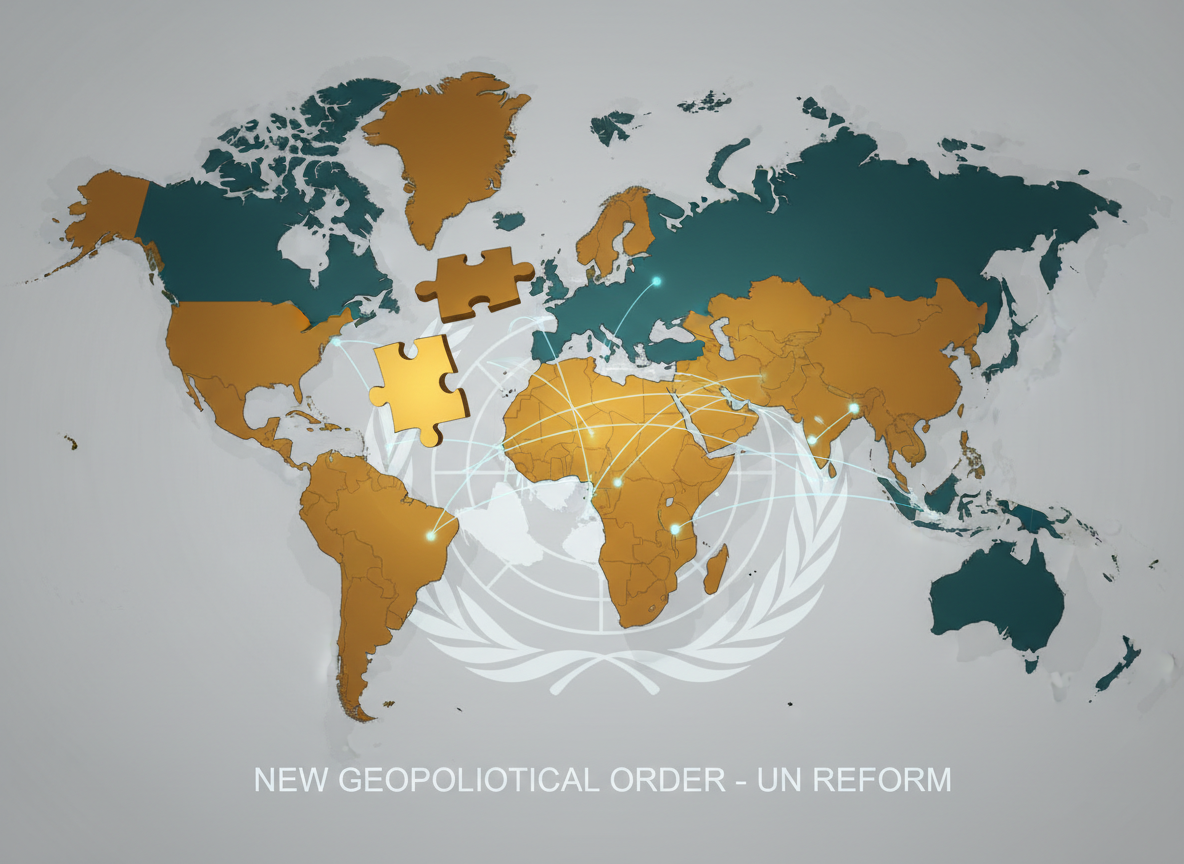

Strategies for Stability: The Imperative of Regional War De-escalation
In an increasingly interconnected world, the concept of an isolated conflict is rapidly becoming a relic of the past. Today, a skirmish on a border thousands of miles away has the potential to ripple through the global economy, displace millions of civilians, and drag superpowers into direct confrontation. We stand at a precipice where the machinery of war is easily engaged, but the mechanisms of peace are often rusty and underutilized. For international relations advocates, policymakers, and concerned global citizens, the primary focus must shift from merely managing conflict to actively pursuing regional war de-escalation.
This article explores the critical necessity of de-escalation strategies, the mechanics of how they function, and the vital role that advocacy plays in pressuring governments to choose diplomacy over destruction.
The Domino Effect: Why Local Conflicts Go Global
To understand the urgency of regional war de-escalation, one must first comprehend the fragility of current geopolitical alliances. Regional wars are rarely contained events. They are often proxy battles where larger powers test their weaponry and political influence without directly engaging one another. However, this method of warfare carries an inherent risk of miscalculation.
When regional tensions boil over, supply chains are disrupted—impacting everything from energy prices to food security. Furthermore, the humanitarian cost creates refugee crises that neighboring countries, and eventually the broader international community, must manage. The failure to de-escalate conflicts in Eastern Europe, the Middle East, or the Indo-Pacific does not just threaten local populations; it threatens the foundational architecture of global security.
Mechanisms of De-escalation
De-escalation is not simply the cessation of fire; it is a complex, multi-layered process involving military, diplomatic, and economic maneuvers. Successful regional war de-escalation usually requires a combination of the following elements:
- Establishment of Communication Channels
The first step in any de-escalation effort is the re-establishment of direct lines of communication. In the heat of conflict, diplomatic ties are often severed. Advocacy groups often push for “Track II Diplomacy”—unofficial dialogues between non-state actors that can pave the way for official negotiations. These back-channels are essential for clarifying red lines and preventing accidental escalation due to misunderstanding. - Phased Withdrawal and Demilitarized Zones
Trust is non-existent in active war zones. Therefore, de-escalation requires verifiable actions. This often looks like a phased withdrawal of heavy weaponry from front lines or the creation of demilitarized zones (DMZs) monitored by neutral third parties, such as UN peacekeepers. These physical buffers reduce the likelihood of spontaneous skirmishes turning back into full-scale war. - Economic Incentives and Sanctions Relief
While sanctions are a tool of coercion, the promise of lifting them is a tool of de-escalation. International relations advocates often argue for a “more for more” approach, where specific steps toward peace are immediately met with economic relief, giving belligerents a tangible stake in stability.
The Role of Advocacy in Forcing Peace
Governments often operate on the path of least resistance. Historically, entering a conflict is sometimes politically easier than the painstaking, often humiliating, compromises required for peace. This is where the advocate becomes the most important actor in the room. Civil society must create the political will for regional war de-escalation.
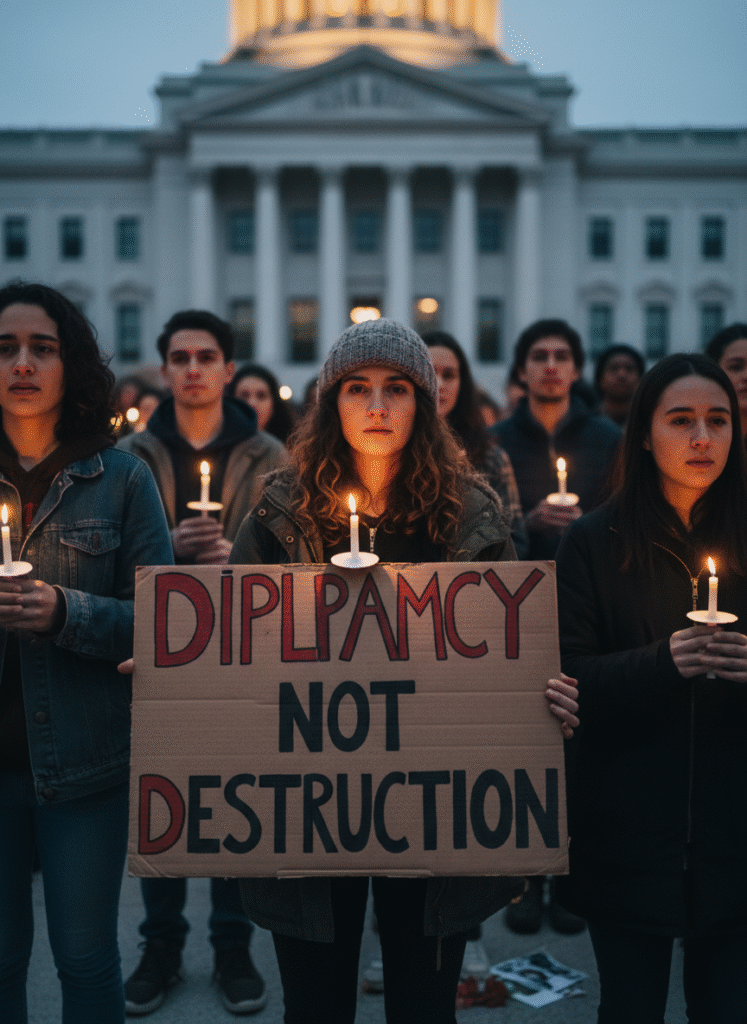
Advocacy operates on two fronts:
Domestic Pressure: Citizens in powerful nations must demand that their tax dollars are not used to fuel fires abroad. This involves lobbying representatives to condition military aid on human rights compliance and adherence to de-escalation protocols.
International Solidarity: By amplifying the voices of victims and local peacebuilders, international advocates can counter the propaganda that often justifies continued aggression.
The Human Cost of Inaction
We cannot discuss policy without acknowledging the human lives at stake. Every day that de-escalation is delayed, infrastructure is destroyed that will take decades to rebuild. Generational trauma is inflicted upon children who know nothing but the sound of sirens. The moral argument for regional war de-escalation is absolute: the sanctity of human life must supersede geopolitical maneuvering.
Serious advocates understand that peace is not merely the absence of war, but the presence of justice/order. However, to get to justice, the shooting must stop first. The “all or nothing” mindset—where parties refuse to negotiate until all demands are met—is a recipe for perpetual slaughter. Incremental de-escalation is the only realistic path forward.
Actionable Steps for the Citizen Advocate
If you are reading this and feeling powerless, recognize that collective action has historically shifted the tides of war. Here is how you can contribute to the movement for regional war de-escalation:
Educate and Amplify
Move beyond the headlines. profound understanding of specific regional conflicts allows you to counter misinformation. Share verified reports from international NGOs like Amnesty International or Crisis Group to your networks.
Political Engagement
Contact your legislative representatives. Do not just ask for “peace”; be specific. Ask for support of specific bills that limit arms sales to active conflict zones. specific diplomatic missions, or increased funding for humanitarian aid corridors.
Support Peacebuilding NGOs
Organizations working on the ground to facilitate dialogue between warring communities need resources. Financial support to groups specializing in conflict resolution is a direct investment in de-escalation.
The Time to Act is Now
The trajectory of current global events suggests we are moving toward a more volatile era. However, this is not inevitable. Regional conflicts can be contained and resolved, but only if the international community prioritizes diplomacy over militarization. Regional war de-escalation is not just a lofty ideal; it is a pragmatic necessity for the survival of our global systems and our shared humanity.