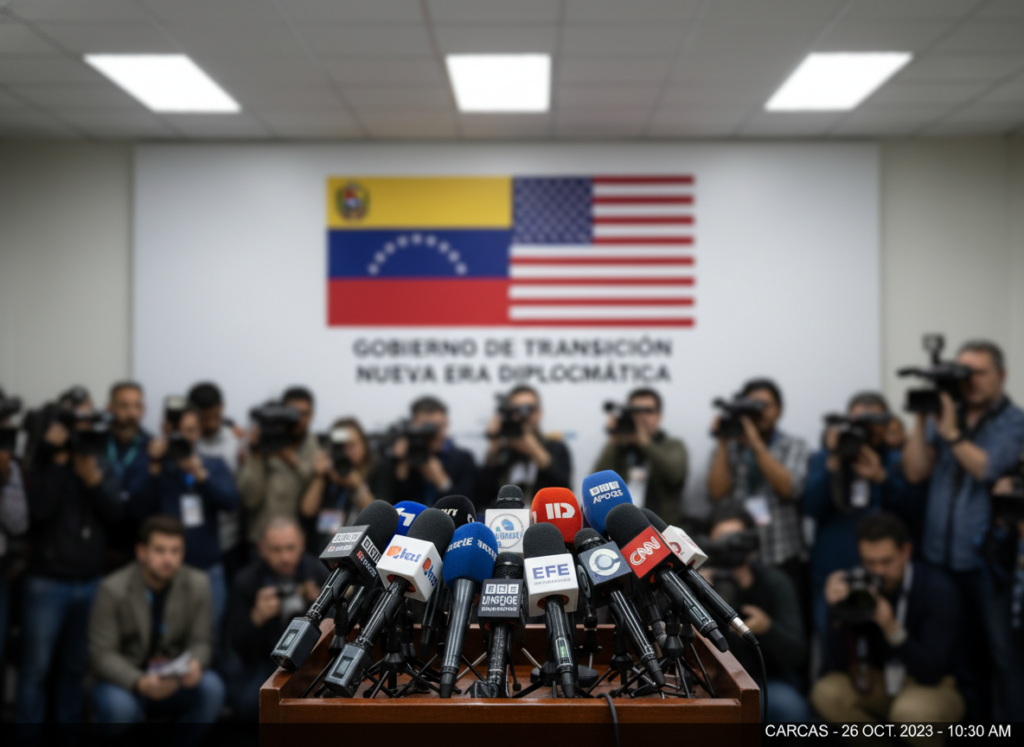
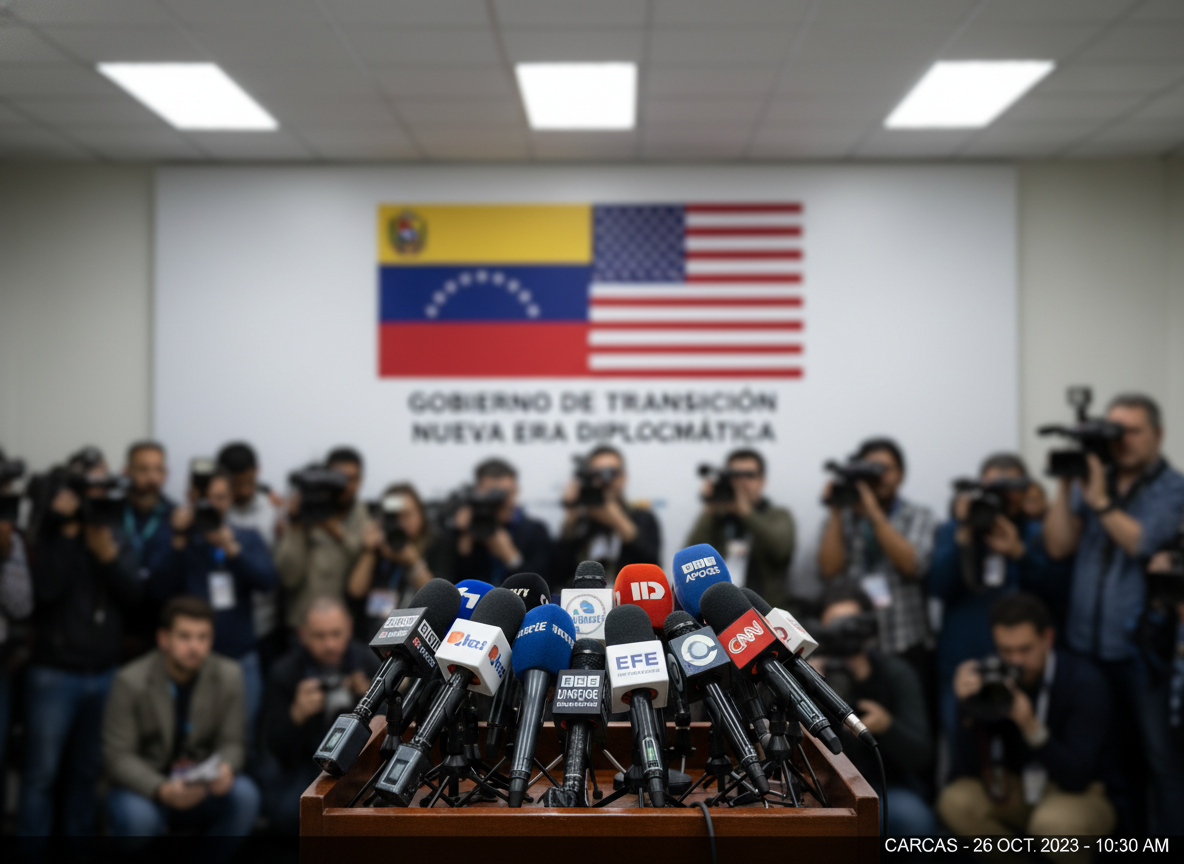
On January 3, 2026, the geopolitical landscape of the Western Hemisphere shifted violently and irrevocably. The United States launched Operation Absolute Resolve, a precision military campaign that resulted in the capture of Venezuelan President Nicolás Maduro and his wife, Cilia Flores, in Caracas. As the dust settles on this unprecedented direct US intervention in Venezuela, global markets and diplomats are scrambling to assess the long-term implications. The operation, justified by Washington as a necessary strike against “narco-terrorism,” has effectively decapitated the Chavista leadership while paradoxically leaving the regime’s infrastructure largely intact under interim leader Delcy Rodríguez.
This article analyzes the strategic drivers behind this intervention, the immediate fallout for global energy markets, and the muted reactions from Venezuela’s traditional allies, Russia and China.
The Road to Operation Absolute Resolve
The path to the January 3rd strike was paved with escalating tensions throughout late 2025. Following years of diplomatic stalemate, the United States shifted its strategy from economic pressure to direct kinetic action. The catalyst appears to have been a convergence of domestic US political pressure to secure borders against drug trafficking and a renewed strategic interest in Venezuelan energy reserves.
In the months leading up to the intervention, the US Southern Command initiated “Operation Southern Spear,” a maritime blockade nominally designed to intercept narcotics. However, intelligence reports suggest this blockade effectively choked off Venezuela’s remaining oil exports to the shadow fleet, creating an economic stranglehold that weakened the regime’s internal cohesion. By late December 2025, accusations of the Maduro administration’s direct involvement with the Tren de Aragua criminal organization provided the legal framework for Washington to classify the administration as a foreign terrorist organization, bypassing traditional diplomatic hurdles for military action.
The Strategic Sidelining of the Opposition
Perhaps the most controversial aspect of the US intervention in Venezuela has been the treatment of the democratic opposition. Despite María Corina Machado’s landslide support and her recent Nobel Peace Prize recognition, Washington has pragmatically—and controversially—chosen to work with elements of the existing regime.
Reports indicate that the White House viewed the complete dismantling of the Chavista state as a recipe for a civil war that would disrupt oil production for years. Instead, by facilitating the rise of Delcy Rodríguez as an interim figure, the US aims to secure a “managed transition.” This Realpolitik approach has drawn sharp criticism from human rights groups but has been quietly welcomed by energy markets seeking stability over ideological purity. For a deeper understanding of the historical context of US policy in the region, the Council on Foreign Relations provides extensive background on the evolution of these diplomatic strains.
Geopolitical Shockwaves: The Silence of the East
For over a decade, Venezuela served as the primary beachhead for Russian and Chinese influence in Latin America. Yet, the reaction from Beijing and Moscow to Maduro’s capture has been characterized by what analysts are calling “strategic blinking.”
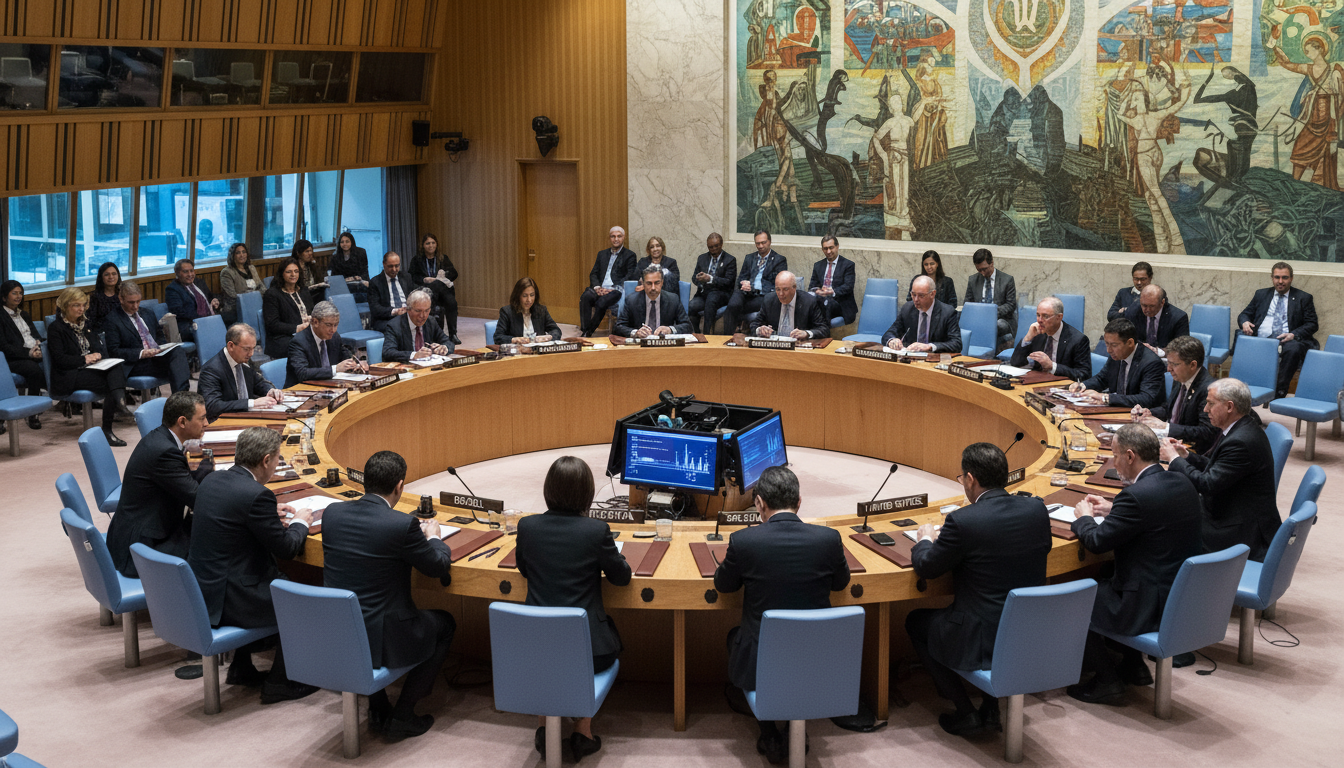
- China: Beijing’s response has been limited to pro forma diplomatic protests at the UN. Facing its own economic slowdown and unwilling to provoke a direct conflict with the US in its own hemisphere, China appears to have calculated that Venezuela’s debt obligations are better served by a stable, oil-producing government, regardless of who sits in the Miraflores Palace.
- Russia: Moscow’s leverage has significantly atrophied since its entanglement in Ukraine. While Russia condemned the operation as a violation of sovereignty, its inability to project power to defend its ally has exposed the limits of a multipolar world order.
This retreat of Eastern powers signals a reassertion of the Monroe Doctrine, albeit in a modernized, militarized form. The US intervention in Venezuela has effectively signaled to the region that security guarantees from extra-hemispheric powers are hollow when faced with decisive American action.
The Energy Dimension: Oil Companies Return
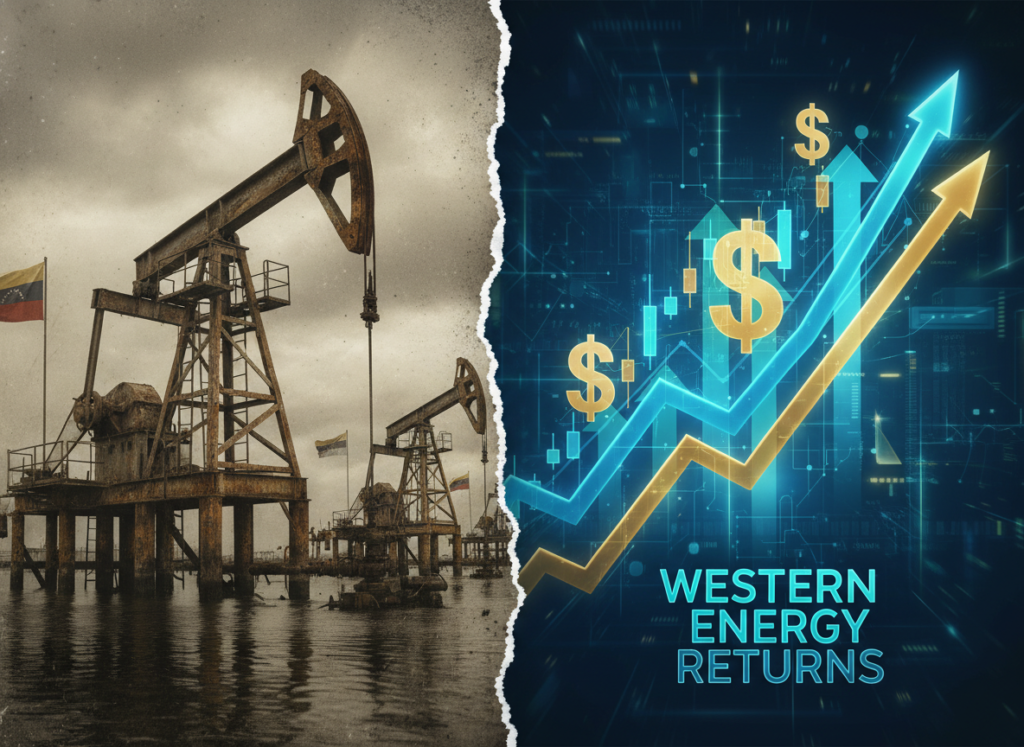
Underpinning the military operation is a clear economic objective: the rehabilitation of Venezuela’s massive oil reserves. With global energy demand rising and geopolitical instability in the Middle East, the US has prioritized securing a reliable energy source within its own hemisphere.
Following the operation, the White House announced the “Great Energy Deal,” a framework designed to rapidly modernize Venezuela’s decrepit oil infrastructure. Major US energy firms, including Chevron and others who had maintained a skeleton presence, are now poised for a massive expansion of operations. The lifting of specific sanctions is expected to be swift, conditional on the interim government’s cooperation with US counter-narcotics efforts and production quotas.
Legal and Economic Hurdles
Despite the optimism, significant hurdles remain. Venezuela’s debt exceeds $150 billion, and its infrastructure suffers from years of neglect. Furthermore, the legal status of the new government remains murky. While Executive Orders have blocked creditors from seizing Venezuelan assets in US jurisdictions to protect the transition, long-term stability requires a restructuring of debt that will necessitate the involvement of the IMF and World Bank. Investors should monitor the US Department of State’s official dispatches for updates on the rapidly changing sanctions regime.
Domestic Fallout and Future Outlook
The operation has not been without domestic controversy in the United States. While the swift success of the capture boosted the administration’s poll numbers, the legal justification regarding War Powers remains a point of heated contention in Congress. Critics argue that the “narco-terrorism” designation was a pretext for regime change without congressional approval.
Looking ahead to the rest of 2026, the situation in Venezuela remains fragile. The “Chavismo 3.0” model under Rodríguez faces immense pressure to deliver economic results while managing a populace that overwhelmingly voted for the opposition. For the US, the intervention is a high-stakes gamble: if Venezuela stabilizes and oil flows, it will be hailed as a foreign policy masterstroke. If the country descends into insurgency, it could become a quagmire that drains US resources for a generation.
As the Congressional Research Service notes in its recent assessments, the stability of the region often hinges on the delicate balance between external intervention and internal legitimacy. The coming months will determine whether Operation Absolute Resolve marks the beginning of Venezuela’s recovery or merely a new chapter in its tragedy.
The US intervention in Venezuela has redefined the rules of engagement in the Americas. Business leaders and investors must now navigate a landscape where military force and economic integration are inextricably linked, and where the map of global energy influence is being redrawn in real-time.