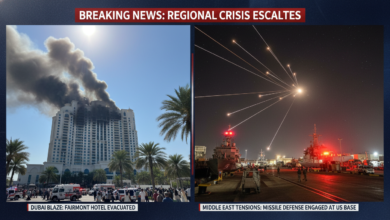
The geopolitical landscape shifted violently this morning following confirmed joint US-Israel Iran strikes. In a coordinated assault launching just before dawn, coalition forces targeted strategic command centers and nuclear infrastructure across the Islamic Republic. The most explosive development, however, comes from intelligence sources citing high confidence that Supreme Leader Ayatollah Ali Khamenei was killed during a strike on a hardened compound in northern Tehran. While official confirmation remains pending, the mere possibility has sent shockwaves through global capitals.
Markets reacted instantly, with Brent crude surpassing $120 per barrel within hours. Meanwhile, major aviation authorities have issued blanket ‘no-fly’ zones over the entire Persian Gulf, stranding thousands of passengers. As the dust settles on this historic escalation, the world waits to see if this marks the end of the current regime or the beginning of a protracted regional war.
The Joint Operation: Strategic Targets Hit
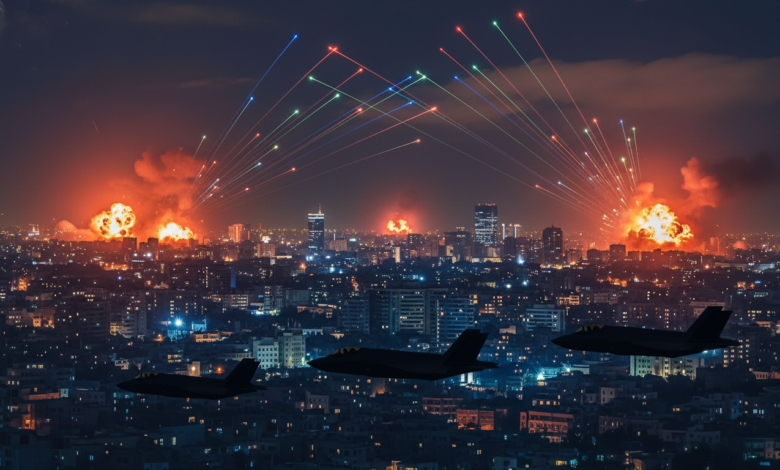
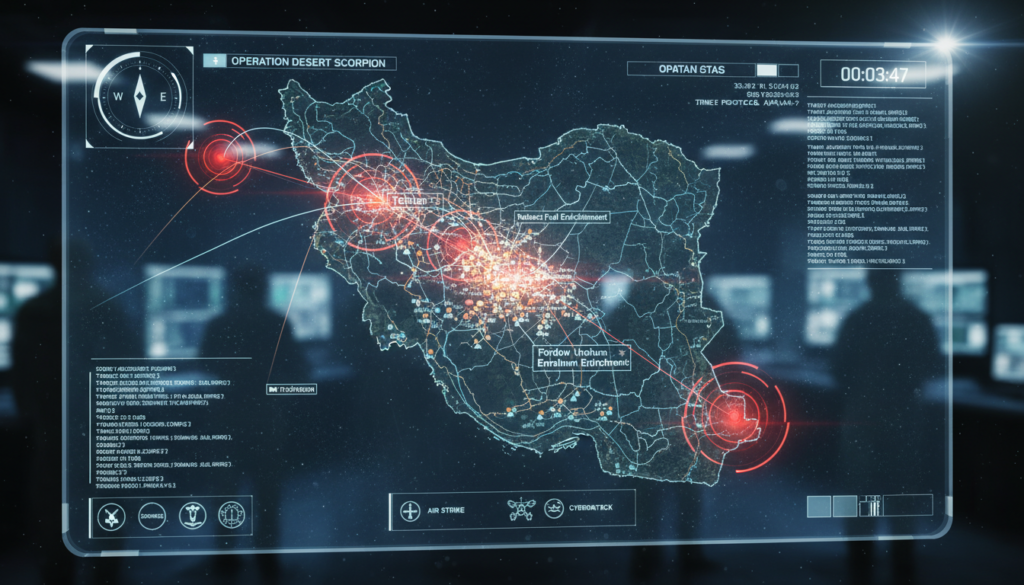
Pentagon officials described the US-Israel Iran strikes as a “necessary preemptive measure” to neutralize imminent ballistic threats. Operations began simultaneously with cyber-attacks crippling Tehran’s air defense grid, followed by waves of F-35s and long-range missiles. Sources indicate the operation focused heavily on command-and-control bunkers.
For ongoing updates on the region, monitor the situation via CNN Middle East. The precision of the attacks suggests deep intelligence penetration, a point emphasized by defense analysts.
According to a statement released by the White House{target=”_blank”}, the mission aimed to “degrade capabilities that threaten international security,” though they stopped short of confirming the Supreme Leader’s status. The scope of destruction reported on the ground suggests this is the most significant military intervention in the region in decades.
Reports of Supreme Leader’s Death
Rumors of Ayatollah Khamenei’s death began circulating shortly after the second wave of bombardment. State media in Iran has gone dark on the subject, broadcasting only patriotic anthems and archival footage, a classic sign of leadership vacuums.
Intelligence analysts featured in CNN Politics coverage suggest that if confirmed, the power vacuum could lead to an immediate struggle between the IRGC and clerical hardliners. The US-Israel Iran strikes were specifically designed to sever the head of the command structure, potentially paralyzing immediate retaliation.
Succession Chaos and Internal Instability
If the Supreme Leader is indeed dead, the Assembly of Experts faces an unprecedented crisis. Opposition groups are already calling for protests, sensing fragility in the regime.
Experts on CNN Opinion argue that a leadership transition under fire is the regime’s worst nightmare. The lack of a clear successor could fracture the military’s unity, leading to civil strife alongside external conflict.
Global Reaction & Flight Disruptions
The immediate fallout has been felt most acutely in the aviation sector. The FAA and EASA immediately closed airspace across the Middle East, forcing diversions of long-haul flights between Europe and Asia.
Travelers are advised to check CNN Travel for the latest on cancellations. Major hubs in Dubai and Doha are effectively at a standstill, with reports of chaos at terminals. This disruption is expected to last for days, pending security assessments.
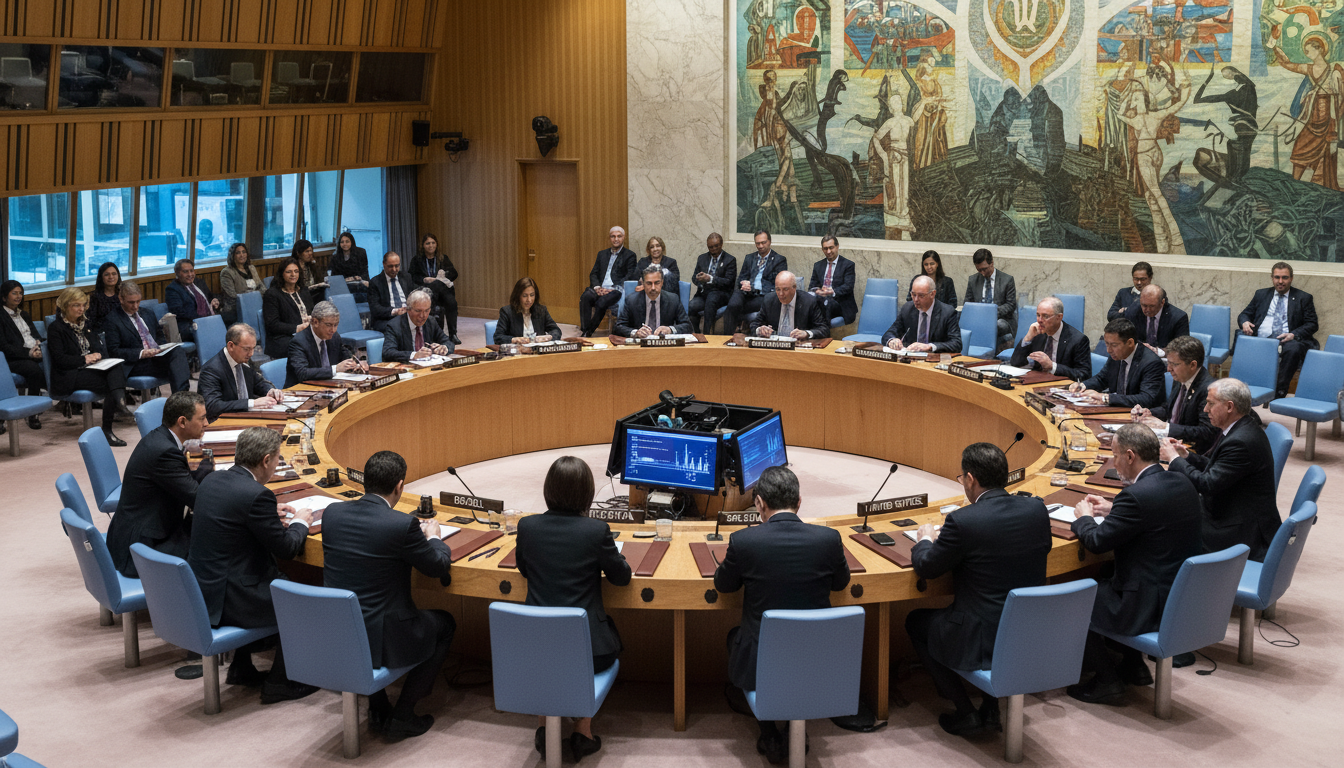
Simultaneously, the United Nations{target=”_blank”} Secretary-General has convened an emergency Security Council meeting to discuss the legality of the strikes and manage the humanitarian fallout.
Oil Markets and Economic Fallout
Energy markets responded with predicted volatility. The US-Israel Iran strikes have raised fears of a blockade at the Strait of Hormuz.
Investors monitoring CNN Business Investing saw oil futures spike vertically. Asian markets tumbled, and Wall Street futures point to a heavy opening sell-off. The fear of prolonged supply chain disruptions is palpable.
Analysts speaking to Reuters{target=”_blank”} noted that strategic reserves might be released to calm the panic, but the psychological impact on trading is severe. Gold and crypto have also seen massive inflows as safe-haven assets.
Technology and Cyber Warfare
Beyond kinetic strikes, a silent war is raging. Internet connectivity in Iran has dropped to near zero. Global tech firms are monitoring for retaliatory cyber-attacks against Western infrastructure. Read more on the digital front at CNN Business Tech.
Domestic Impact in the US
Back home, security has been heightened at major landmarks and Jewish institutions. The Department of Homeland Security issued a bulletin warning of potential lone-wolf reprisals.
Coverage on CNN US highlights the political divide, with some lawmakers praising the decisiveness of the action while others fear being dragged into a forever war. Public approval will likely hinge on the clarity of the outcome and the avoidance of US casualties.

What This Means for the Future
The US-Israel Iran strikes represent a crossing of the Rubicon. Diplomatic off-ramps appear non-existent at this stage. The international community is bracing for Iran’s response, which could range from missile barrages on Tel Aviv to activating proxy networks globally.
For broader context on how this affects international relations, visit CNN World. The next 48 hours are defining for the 21st century’s geopolitical order.
For those concerned about broader economic ripples, CNN Business continues to track the situation. The world has changed overnight, and the full consequences of the US-Israel Iran strikes are only just beginning to unfold.