Key Takeaways
- Historic Engagement: The US Navy has confirmed the sinking of the Iranian Moudge-class frigate IRIS Dena.
- Location: The incident occurred 40 nautical miles off Galle, Sri Lanka.
- Weaponry: A single Mark 48 ADCAP torpedo fired from a Virginia-class submarine destroyed the vessel.
- Casualties: 32 sailors rescued by Sri Lankan forces; over 140 remain missing.
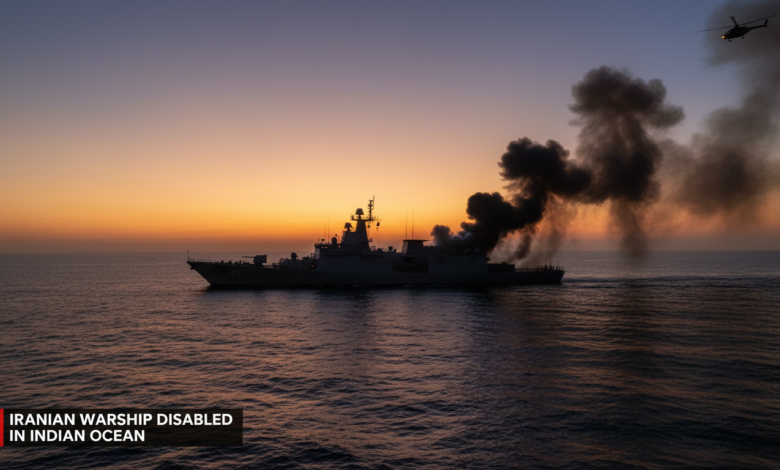
In a seismic shift for global naval warfare, the Pentagon has confirmed that a United States Navy nuclear-powered attack submarine (SSN) successfully engaged and sank the Iranian frigate IRIS Dena early this morning. Occurring on March 4, 2026, this engagement represents the first time a US submarine has torpedoed an enemy warship since World War II. The incident took place in international waters, approximately 40 nautical miles south of Galle, Sri Lanka, sending shockwaves through World capitals and financial markets alike.
The Dena, one of Iran’s most modern surface combatants, was reportedly returning from the MILAN naval exercises hosted by India when the engagement occurred. Defense officials state the strike was a direct response to “imminent hostile intent” displayed by the Iranian vessel against commercial shipping lanes vital to the Americas and global allies. As rescue operations led by the Sri Lanka Navy continue, the geopolitical temperature in the Middle East has reached a boiling point not seen in decades.
The Incident: How the US Sinks IRIS Dena
Reports indicate the engagement was swift and decisive. At approximately 05:08 local time, the IRIS Dena transmitted a distress signal after being struck amidships by a heavy-weight torpedo. The explosion, captured on remote sensors, severed the vessel’s keel, causing it to capsize and sink within minutes.
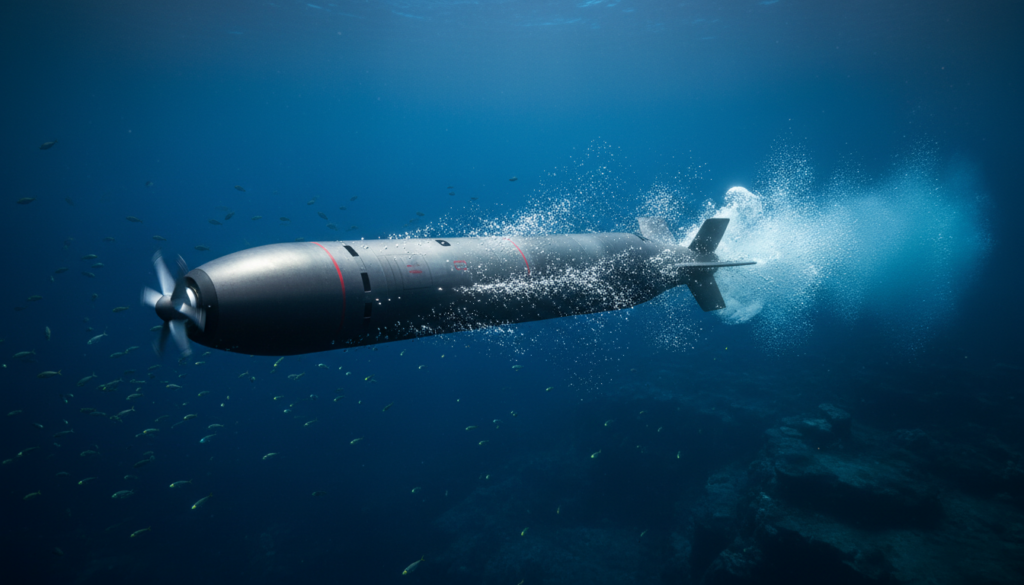
Naval experts identify the weapon as the Mark 48 Advanced Capability (ADCAP) torpedo, a staple of the US submarine force. This wire-guided weapon is designed to detonate beneath a ship’s hull, using the gas bubble from the explosion to break the ship’s back. The sheer destructive power of this tactic left the crew of the Dena with little time to abandon ship.
Tactical Details and Timeline
The Asia Pacific region has seen increased naval traffic, but a combat engagement of this magnitude is unprecedented in modern times. According to a brief released by Defense.gov{target=”_blank”}, the US submarine tracked the Dena for several hours before receiving authorization to fire.
The presence of the Dena near Sri Lanka had already raised eyebrows in New Delhi. Sources within India indicate that the Indian Navy monitored the situation but did not intervene. The proximity to civilian shipping lanes likely accelerated the US decision to neutralize the threat.
Global Fallout: Markets and Diplomacy
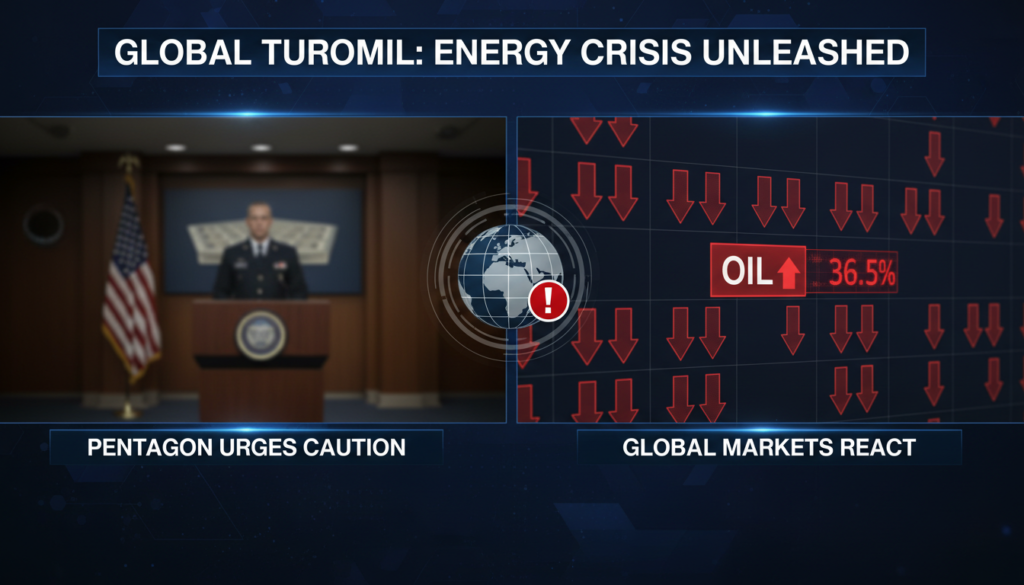
Immediate economic repercussions have been severe. Brent crude oil prices surged by 12% within hours of the news, the sharpest single-day rise since the 2022 energy crisis. Traders are bracing for potential retaliatory closures of the Strait of Hormuz.
Analysts at Business desks worldwide are scrambling to forecast the long-term impact on supply chains. Insurance premiums for merchant vessels transiting the Persian Gulf and Indian Ocean have already tripled.
Tehran’s Response and Future Threats
The reaction from the Middle East has been furious. Iranian state media described the sinking as an “act of terror” and vowed a “crushing response” against US assets in the region. There are concerns that this could lead to asymmetric attacks on soft targets or a direct missile barrage against US bases in the Gulf.
The White House issued a statement emphasizing that the action was defensive. “We will not tolerate threats to freedom of navigation,” read the release from Whitehouse.gov{target=”_blank”}. However, critics in Politics argue that this strike crosses a red line that could drag the US into a prolonged conflict.
Strategic Analysis: A New Era of Naval Warfare
This event is significant not just for its immediate violence but for what it signals about modern naval doctrine. For decades, submarine warfare has been theoretical. Now, the “silent service” has proven its lethality in a real-world scenario.
Naval historians note that the last time a US sub sank a ship was in 1945. The sinking of the Dena validates the billions spent on modernizing the submarine fleet. It demonstrates that surface ships, despite their advanced radar and missile defenses, remain highly vulnerable to undersea threats.
Opinion pieces in Opinion sections are already debating the morality and necessity of such a strike. Was it a necessary preemptive measure, or a provocation that will spiral out of control? The answer depends on Iran’s next move.
What This Means for Global Trade
The immediate danger is not just military but commercial. Following the attack, several major airlines have rerouted flights away from the region, impacting global Travel networks.
According to Reuters{target=”_blank”}, shipping giants are pausing transit through key choke points until security guarantees are met. If the conflict widens, the cost of goods globally could skyrocket, reigniting inflation fears in Western economies.
Final Thoughts
The sinking of the IRIS Dena is a defining moment for the 21st century. It shatters the uneasy peace that has held in the maritime domain and ushers in a new, volatile era of open naval warfare. As the world watches the waters off Sri Lanka, the question remains: will this be an isolated incident, or the first shot in a much larger war?