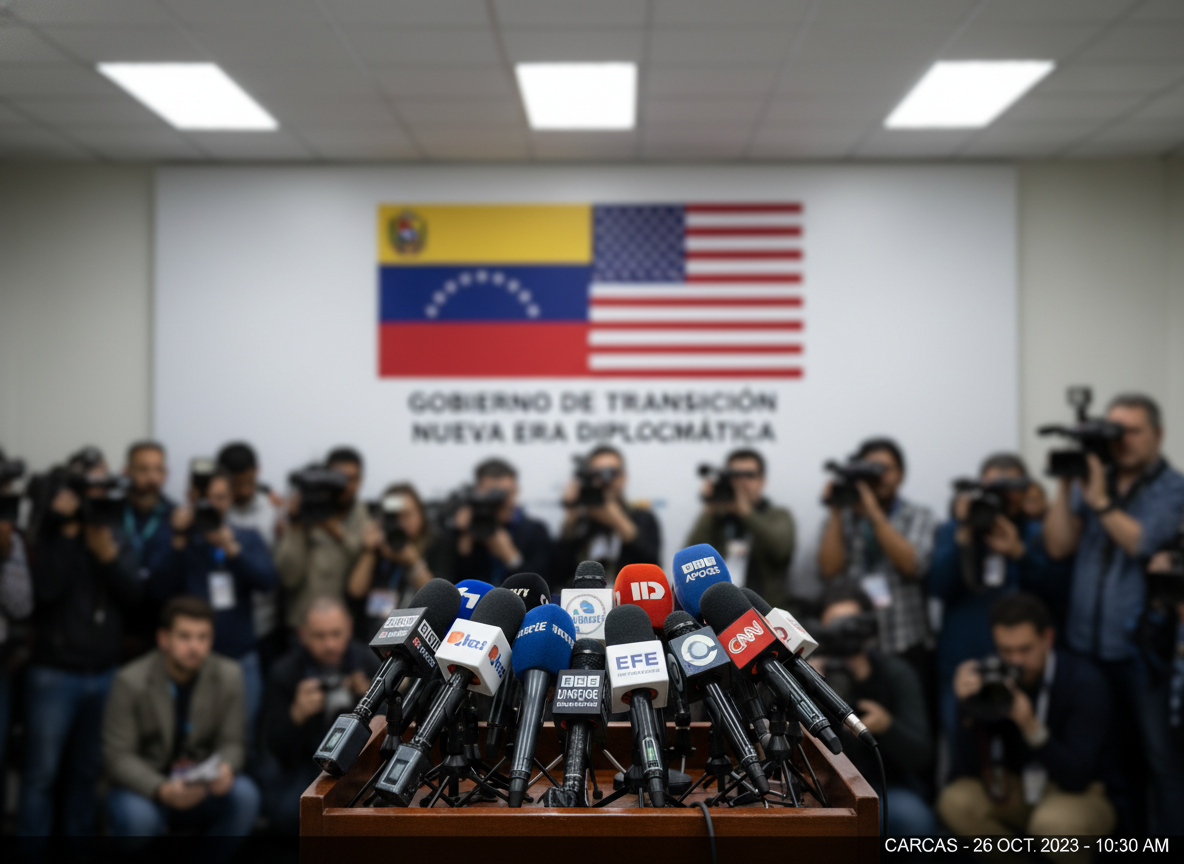
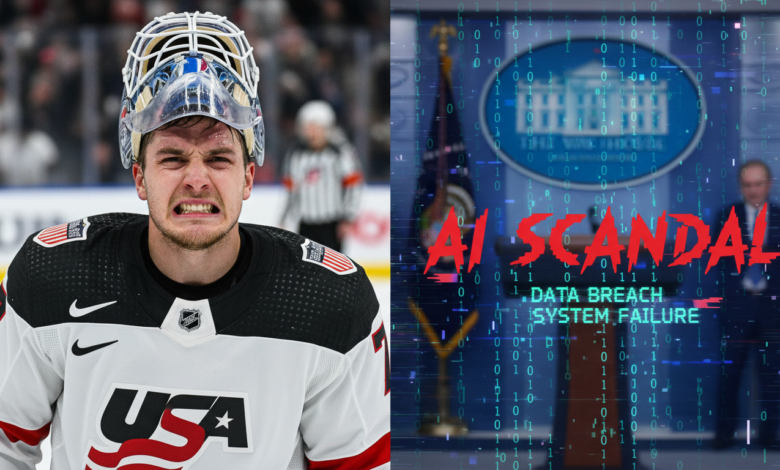
The 2026 Winter Games in Milano Cortina have been overshadowed by a technological and diplomatic firestorm now known as the White House Olympic AI Scandal. In a jarring intersection of sports, politics, and generative artificial intelligence, the White House released a promotional video that has drawn sharp condemnation from Team USA’s top athletes. The controversy centers on a digitally generated clip featuring US men’s hockey star Brady Tkachuk delivering insults to Canadian rivals—remarks he never actually made. Simultaneously, the captain of the gold-medal-winning US women’s hockey team has publicly criticized President Trump for what she termed “distasteful” comments regarding their victory.
This incident has sparked a global debate about the ethics of using AI in political messaging and the sanctity of athlete reputations. As the administration attempts to walk back the content as “satirical banter,” the athletes involved are standing firm, demanding accountability. The White House Olympic AI Scandal has quickly mutated from a PR misstep into a significant distraction for the delegation in Italy.
The Brady Tkachuk AI Video Controversy
The core of the White House Olympic AI Scandal lies in a 30-second clip posted to official administration social media channels. Utilizing advanced generative video technology, the footage depicted Brady Tkachuk, a fierce competitor on the ice, standing in the locker room and aggressively mocking the Canadian national anthem and its players. For Tkachuk, who captains the Ottawa Senators in the NHL and has deep professional ties to Canada, the video was not just embarrassing—it was professionally damaging.
“I want to be clear: I did not say those things, and I did not authorize my likeness for that video,” Tkachuk stated in a press conference in Milan. “It is disrespectful to my opponents, my teammates in Ottawa, and the spirit of these games.”
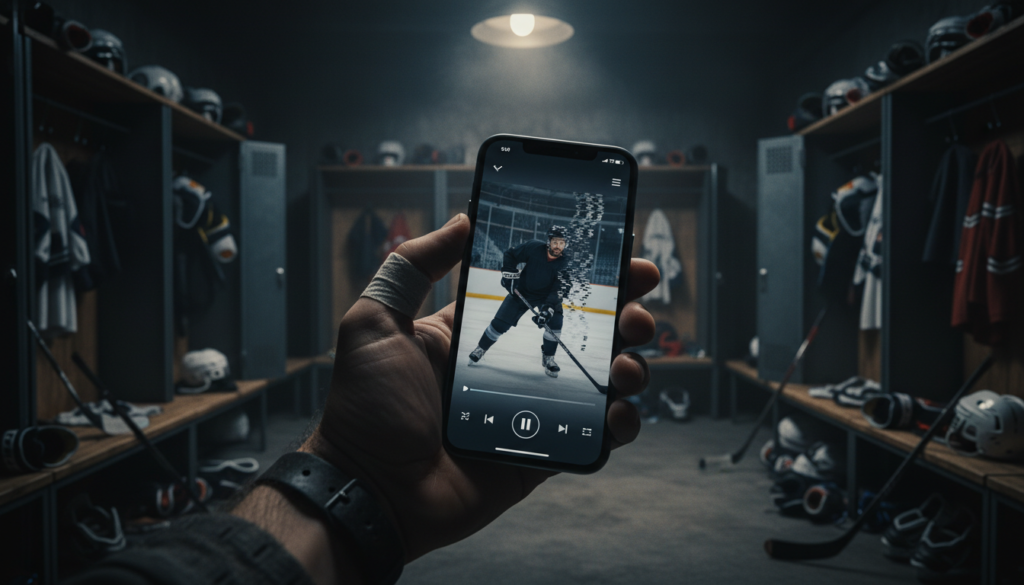
Experts in technology suggest the video was created using readily available deepfake tools, raising questions about the vetting process within the White House communications team. While the administration claimed the video was intended to “stoke a friendly rivalry,” the execution has been widely panned as a failure of judgment. The incident has strained the usually friendly, albeit competitive, atmosphere between the North American neighbors, a dynamic often covered in regional news.
Women’s Team Captain Calls Out “Distasteful” Jokes
Compounding the White House Olympic AI Scandal is the friction between the President and the US women’s hockey team. Fresh off a hard-fought gold medal victory, the team received the traditional congratulatory call from the Commander-in-Chief. However, reports surfaced immediately that the call did not go as planned. The team captain, whose leadership was instrumental in the tournament, took to social media to express her disappointment.
She described the President’s jokes as “distasteful” and “diminishing,” noting that they focused more on the players’ appearances than their athletic dominance. This clash highlights the ongoing tension between athlete activism and political expectations. Coverage in sports media has frequently highlighted how modern athletes refuse to “stick to sports” when they feel disrespected.
“We just won gold for our country,” she told reporters. “We expect our leaders to match that level of excellence and respect. The focus should be on our game, not outdated humor.” This sentiment has resonated across the global community, drawing support from athletes in other disciplines.
The Intersection of Politics and Generative Tech
The White House Olympic AI Scandal serves as a grim case study in the unchecked use of synthetic media. By deploying AI to put words in an athlete’s mouth, the administration crossed a line that legal and ethical scholars have long warned about. It is not merely a matter of bad taste; it is a question of consent and truth.
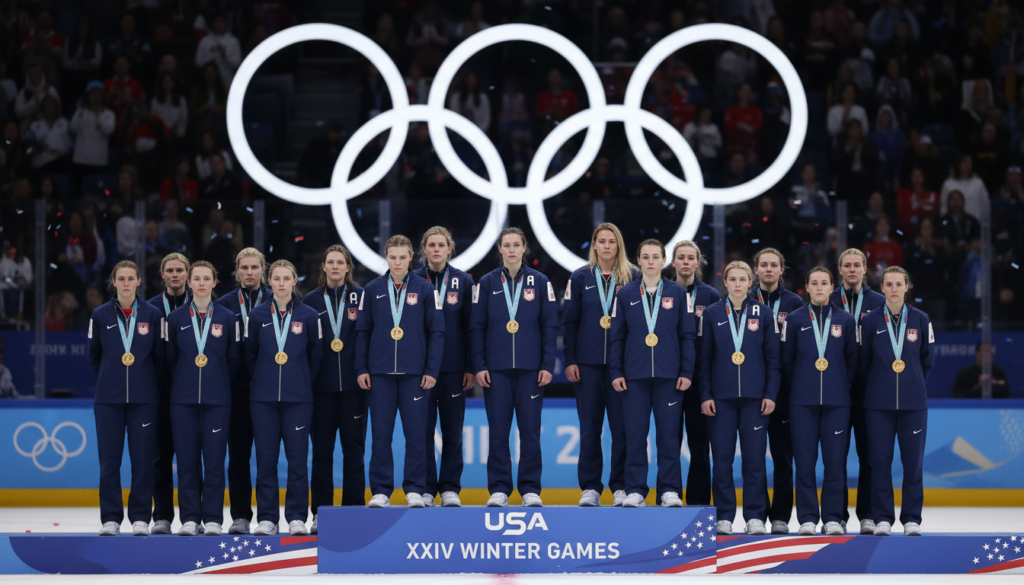
Observers in politics note that this could lead to stricter regulations regarding government use of AI. If the White House cannot use the technology responsibly, what standard does that set for the rest of the country? The incident has also affected the media landscape, forcing networks to dedicate airtime to debunking official government content rather than covering the medal count.
According to a report by Reuters, several sponsors of Team USA have reached out to the US Olympic Committee to express concern over their brands being associated with non-consensual deepfakes. The economic implications are real, as discussed in various business circles, where brand safety is paramount.
Impact on the 2026 Games
The atmosphere in the Olympic Village has shifted. Instead of celebrating personal bests, athletes are fielding questions about the White House Olympic AI Scandal. The mental toll on competitors is significant. Fitness experts and sports psychologists emphasize that distractions of this magnitude can severely impact performance.
“You prepare for four years to skate your best,” said one anonymous Team USA figure skater. “You don’t prepare to defend yourself against your own government’s marketing team.”

Scientific analysis of the video, similar to topics found in science journals, shows that while the visual fidelity was high, the audio synchronization had flaws that gave it away to keen observers. However, the intent to deceive—or at least to blur the lines of reality—remains the primary grievance.
Key Takeaways
- Consent Violation: Brady Tkachuk did not approve the use of his likeness for the AI video.
- Diplomatic Strain: The content insulted Canadians, risking relations with a key ally.
- Presidential Friction: The women’s team captain rejected the President’s “distasteful” humor.
- Tech Ethics: The scandal underscores the dangers of unregulated AI in government communications.
What This Means for the Future
The White House Olympic AI Scandal is unlikely to fade quickly. It has opened a Pandora’s box regarding the ownership of one’s digital identity. As CNN and other major outlets continue to investigate the approval chain for the video, the pressure is on the administration to issue a formal apology.
For the athletes, the 2026 Games will be remembered not just for the medals won, but for the stand they took against manipulation. In an era where entertainment and reality often bleed together, Tkachuk and the women’s captain have drawn a firm boundary.
Moving forward, the US Olympic and Paralympic Committee (USOPC) may need to establish strict guidelines preventing political entities from utilizing athlete likenesses without explicit, written permission. For more on official policies, one might look to the White House AI Bill of Rights, which ironically warns against exactly this type of misuse.